
Blog Back Understanding Somatic Tinnitus: The Mind-Body Connection September 12, 2023 Tinnitus, often described as a ringing, buzzing, or hissing sound in the ears, affects millions of people worldwide. While it’s generally associated with issues in the auditory system, there’s a lesser-known form of tinnitus that originates from the somatic system, known as somatic tinnitus. In this blog post, we will explore what somatic tinnitus is, its causes, symptoms, and potential treatments. What is Somatic Tinnitus? Somatic tinnitus is a type of tinnitus that arises from interactions between the auditory system and the somatic (body) system. Unlike traditional tinnitus, which is primarily associated with problems in the ear, somatic tinnitus can be influenced by movements, postures, or muscle contractions in the head, neck, and jaw region. Essentially, somatic tinnitus blurs the lines between auditory perception and the body’s physical sensations. Causes of Somatic TinnitusThe following may contribute to somatic tinnitus: Temporomandibular Joint (TMJ) Disorders: Dysfunction in the TMJ, the joint connecting the jaw to the skull, can cause somatic tinnitus. Misalignment or excessive pressure on this joint can transmit vibrations to the ear, leading to tinnitus symptoms. Muscle Tension and Trigger Points: Tension and muscle knots in the neck, shoulders, or facial muscles can influence the auditory system and produce tinnitus-like sounds. Changes in Blood Flow: Altered blood flow patterns near the ears, neck, or head can create vascular tinnitus, a somatic form of tinnitus often described as a pulsing or whooshing sound. Head and Neck Trauma: Injuries, accidents, or surgeries in the head and neck region may disrupt the normal sensory pathways, leading to somatic tinnitus. Symptoms of Somatic Tinnitus Somatic tinnitus symptoms can vary from person to person, but they often include: Fluctuating or positional tinnitus: Tinnitus intensity may change with head or jaw movements or body posture. Tinnitus triggered by specific movements or actions: Chewing, talking, or swallowing can exacerbate the symptoms in somatic tinnitus sufferers. Associated pain or discomfort: Many individuals with somatic tinnitus experience pain or discomfort in the head, neck, or jaw area along with their tinnitus. Pulsatile or rhythmic tinnitus: Somatic tinnitus caused by changes in blood flow may produce a pulsing or rhythmic sound synchronized with the heartbeat. Treatment Options for Somatic Tinnitus Managing somatic tinnitus can be complex due to its multifaceted nature. Your doctor will help you find the treatment that is best suited to your needs. Treatment approaches may include: Addressing Underlying Causes: Treating underlying conditions such as TMJ disorders, muscle tension, or vascular issues can alleviate somatic tinnitus symptoms. Physical Therapy: Techniques such as massage, jaw exercises, and posture correction can help relieve muscle tension and improve somatic tinnitus. Stress Management: Reducing stress through relaxation techniques, yoga, or meditation can indirectly alleviate somatic tinnitus symptoms. Sound Therapy: Sound masking or white noise generators can help distract from tinnitus sounds, making them less noticeable. Cognitive Behavioral Therapy (CBT): CBT can assist in changing negative thought patterns associated with tinnitus, helping individuals cope better. Medications: In some cases, medications may be prescribed to alleviate pain or discomfort associated with somatic tinnitus. Somatic tinnitus serves as a reminder that the mind and body are intricately connected, and disruptions in one can affect the other. While somatic tinnitus may present unique challenges, there is hope for those who experience it. By addressing underlying causes and utilizing a multidisciplinary approach, individuals can often find relief and improve their quality of life. If you or someone you know experiences somatic tinnitus, we encourage you to contact our hearing practice today for more information and to schedule an appointment. Share :
Author: sitemanager
The Surprising Link Between Pain Reliever Use And Tinnitus

Blog Back The Surprising Link Between Pain Reliever Use And Tinnitus August 25, 2023 Tinnitus, often described as a ringing, buzzing, or humming sound in the ears, is a condition that affects millions of people worldwide. While it is commonly associated with exposure to loud noises or age-related hearing loss, recent studies have uncovered a surprising connection between the use of pain relievers and the development or exacerbation of tinnitus. This revelation has raised important questions about the potential risks associated with frequent pain reliever usage and its impact on auditory health. The Role of Pain Relievers Pain relievers, also known as nonsteroidal anti-inflammatory drugs (NSAIDs), are a class of medications widely used to alleviate pain, reduce inflammation, and lower fever. Common over-the-counter NSAIDs include ibuprofen, aspirin, and naproxen. They are easily accessible and have become an integral part of many people’s lives, often used for various conditions such as headaches, muscle pain, menstrual cramps, and arthritis. The Unexpected Connection Recent research has unveiled a surprising correlation between the use of NSAIDs and the development or worsening of tinnitus symptoms. A 2022 study that analyzed health data from nearly 70,000 women from the Nurses’ Health Study II. Researchers found that women who reported using a moderate dose of aspirin (325 mg or more) 6-7 days per week had a 16 percent higher risk of tinnitus among women aged 60 and younger. However, a low dose of aspirin (100 mg or less) was not associated with an elevated risk of tinnitus. The analysis also showed that frequent use of NSAIDs or acetaminophen was associated with a nearly 20 percent higher risk of developing tinnitus. Regular use (2 days a week or more) of COX-2 inhibitors was also associated with a 20 percent higher risk of developing tinnitus. Possible Mechanisms While the exact mechanisms linking NSAID use to tinnitus are not fully understood, several hypotheses have been proposed. One theory suggests that NSAIDs may affect blood flow to the inner ear, potentially leading to changes in auditory function. Inflammation plays a significant role in various auditory disorders, and NSAIDs’ impact on inflammation regulation might contribute to their effects on tinnitus. Another avenue of investigation revolves around the potential for NSAIDs to interfere with the body’s natural defenses against oxidative stress. Oxidative stress can damage cells in the auditory system, potentially leading to tinnitus and other hearing-related issues. NSAIDs’ influence on oxidative stress pathways could be a key factor in the development of tinnitus symptoms. Managing Risks While the research into the connection between NSAID use and tinnitus is still in its early stages, it’s essential for individuals to be mindful of their pain reliever consumption. If you’re experiencing tinnitus or are concerned about its development, consider the following steps: Consult a Healthcare Professional: If you’re prone to tinnitus or have noticed changes in your hearing, it’s crucial to discuss your pain reliever use with a healthcare provider. They can help assess your risk factors and guide you toward the most appropriate pain management strategies. Consider Alternative Pain Management: Explore non-pharmacological approaches to pain relief, such as physical therapy, acupuncture, mindfulness meditation, and heat/cold therapy. These options can help reduce your reliance on NSAIDs. Practice Responsible NSAID Use: If you still choose to use NSAIDs for pain relief, do so cautiously. Follow recommended dosages, avoid long-term and excessive use, and be aware of any changes in your auditory health. The unexpected connection between pain reliever use and tinnitus highlights the complex interplay between medication, inflammation, and auditory health. While further research is needed to fully understand this relationship, individuals should approach NSAID consumption with caution and awareness. Prioritizing responsible pain management, discussing concerns with healthcare professionals, and exploring alternative approaches can contribute to preserving both your pain relief and auditory well-being. Remember, your health is your most valuable asset, and being informed empowers you to make the best decisions for your overall wellness. To learn more about the connection between pain reliever use and tinnitus, we welcome you to contact our hearing practice today. Share :
Understanding Ear Drainage: Causes, Symptoms, And When To Seek Help

Blog Back Understanding Ear Drainage: Causes, Symptoms, And When To Seek Help August 24, 2023 Our ears are remarkable organs responsible for both hearing and maintaining our sense of balance. However, like any part of our body, they can sometimes experience issues that warrant attention. One such concern is ear drainage, a condition that can range from mild and temporary to more severe and potentially indicative of an underlying problem. In this blog post, we’ll explore the causes, symptoms, and when to seek medical assistance for ear drainage. Causes of Ear Drainage Ear drainage occurs when fluid, pus, or blood leaks from the ear canal. This drainage can be attributed to various factors, including: Ear Infections: Middle ear infections (otitis media) and outer ear infections (otitis externa or swimmer’s ear) can cause a buildup of fluid or discharge in the ear canal. Ruptured Eardrum: A tear or hole in the eardrum (tympanic membrane) can lead to drainage. This can be caused by infections, trauma, sudden changes in pressure, or inserting objects into the ear. Foreign Objects: Inserting cotton swabs, fingers, or other objects into the ear can inadvertently damage the delicate structures and lead to drainage. Earwax Impaction: Excessive earwax can accumulate and block the ear canal, causing fluid to build up behind the blockage. Allergies: Allergic reactions can cause inflammation and fluid buildup in the middle ear. Trauma: Injuries to the ear or head can result in bleeding or drainage from the ear. Symptoms of Ear DrainageThe presence of ear drainage is often accompanied by other symptoms that can provide insights into the underlying cause. Common symptoms include: Discharge: Fluid, pus, or blood draining from the ear is the most apparent symptom. Pain or Discomfort: Ear drainage is often accompanied by ear pain, discomfort, or a feeling of pressure. Hearing Loss: Fluid buildup or infections can lead to temporary or partial hearing loss. Itching: Irritation and itching in the ear canal may be present, especially in cases of infections or allergies. Foul Odor: Ear drainage can sometimes emit an unpleasant odor. When to Seek Medical AttentionWhile some cases of mild ear drainage may resolve on their own, it’s important to know when to seek medical help: Persistent or Severe Symptoms: If the drainage persists for more than a few days, is accompanied by severe pain, or is accompanied by fever, seek medical attention promptly. Bleeding or Clear Fluid: If the drainage is bloody or clear and persists, it could indicate a ruptured eardrum or other serious issue. Hearing Loss: Any sudden or noticeable changes in hearing should be evaluated by a healthcare professional. Foreign Objects: If you suspect a foreign object is lodged in your ear, do not attempt to remove it yourself. Seek professional help. Frequent Infections: If you experience recurrent ear infections or drainage, it’s important to identify the underlying cause and receive appropriate treatment. Ear drainage can be concerning, but it’s essential to remember that many cases are manageable with timely intervention. If you or a loved one experiences ear drainage along with other symptoms, it’s advisable to consult a hearing professional. A professional can accurately diagnose the cause of the drainage and recommend appropriate treatment, whether it involves antibiotics, cleaning, or other interventions. Maintaining proper ear hygiene, avoiding inserting objects into the ear canal, and addressing any ear discomfort promptly can help minimize the risk of ear drainage and related complications. Your ears play a vital role in your overall well-being, so it’s crucial to prioritize their health and seek medical guidance when needed. For more information about ear drainage, its causes, and how to treat it, please contact our hearing practice today. Share :
Traveling With Hearing Aids? Here’s How To Care For Them On The Go!

Blog Back Traveling With Hearing Aids? Here’s How To Care For Them On The Go! July 26, 2023 Traveling is an exciting experience that allows us to explore new destinations, immerse ourselves in different cultures, and create lasting memories. However, for those who wear hearing aids, it’s essential to take extra precautions to ensure their devices are well-maintained and fully functional during the journey. In this blog post, we will guide you through some valuable tips and best practices for caring for your hearing aids while traveling, ensuring a worry-free and enjoyable trip. Prepare and Pack Properly:Before embarking on your trip, it’s crucial to gather everything you need to maintain your hearing aids. Here’s a checklist to consider: Extra Batteries: Ensure you have an ample supply of fresh batteries or rechargeable batteries and bring them in your carry-on bag for easy access during your journey. Cleaning Tools: Pack a small cleaning kit containing a soft, lint-free cloth, a brush, and a wax pick or loop. These tools will help you keep your hearing aids free from debris and earwax buildup. Storage Case: Invest in a sturdy and protective storage case for your hearing aids. This case will safeguard your devices from physical damage while traveling. Protect Your Hearing Aids from Moisture:Travel destinations often expose us to different weather conditions, such as humidity, rain, or extreme temperatures. To protect your hearing aids from moisture-related damage: Use a Dehumidifier: Invest in a portable dehumidifier or drying kit designed specifically for hearing aids. Place your devices in the dehumidifier overnight to remove any moisture accumulated during the day. Waterproof Covers: If you anticipate encountering rain or high humidity, consider purchasing waterproof covers for your hearing aids. These covers provide an extra layer of protection against moisture. Be Mindful of Security Checkpoints:Airport security checkpoints and X-ray machines can potentially interfere with the functioning of hearing aids. To prevent any mishaps: Inform the Security Personnel: Let the security personnel know that you are wearing hearing aids before proceeding through the metal detector or body scanner. You can request a manual inspection of your hearing aids instead of subjecting them to X-rays. Turn Off Hearing Aids: Switch off your hearing aids during the security screening process to minimize any interference caused by electromagnetic fields. Minimize Exposure to Extreme Conditions: Extreme temperatures can affect the performance of your hearing aids. Follow these tips to mitigate potential damage: Keep Away from Direct Sunlight: Avoid leaving your hearing aids exposed to direct sunlight, as excessive heat can cause them to malfunction or deform. Cold Weather Precautions: In extremely cold climates, protect your hearing aids by wearing a hat or earmuffs that cover them. This will help retain heat and prevent moisture buildup. Seek Professional Assistance if Needed:If you encounter any issues with your hearing aids while traveling, it’s essential to seek professional help. Look for hearing healthcare providers or audiologists in your destination who can assist you with repairs, adjustments, or troubleshooting. Traveling with hearing aids doesn’t have to be a daunting task. By following these simple yet effective tips, you can ensure that your hearing aids remain in optimal condition throughout your journey. Taking proactive steps to care for your devices will provide peace of mind and allow you to fully enjoy the sights, sounds, and experiences that travel has to offer. To learn more about how to travel with hearing aids, we welcome you to contact our office today. Bon voyage! Share :
Promoting Hearing Care In Nursing Homes: Enhancing Well-Being And Communication

Blog Back Promoting Hearing Care In Nursing Homes: Enhancing Well-Being And Communication July 15, 2023 Hearing loss is a prevalent condition among older adults, and it can significantly impact their quality of life, especially when residing in nursing homes. With a focus on holistic care, nursing homes should prioritize hearing health to ensure the overall well-being and effective communication of their residents. In this blog post, we will explore the importance of hearing care in nursing homes and discuss strategies to promote better hearing health among residents. Recognizing the Impact of Hearing Loss:Hearing loss can lead to social isolation, depression, cognitive decline, and reduced overall health. In the nursing home setting, it is crucial to understand the specific challenges faced by residents with hearing loss, including: Communication Barriers: Hearing loss can hinder effective communication between residents, staff, and family members, leading to frustration and misunderstandings. Mental and Emotional Health: Untreated hearing loss can contribute to feelings of loneliness, anxiety, and decreased self-esteem among residents, impacting their overall mental well-being. Safety Concerns: Residents with hearing loss may face challenges in perceiving emergency alarms, announcements, or instructions, compromising their safety within the facility. Hearing Assessments and Regular Screenings:To ensure optimal hearing health among nursing home residents, a comprehensive approach is essential. If you are evaluating nursing homes to care for a loved one, ask whether they use the following strategies: Initial Assessments: Conduct hearing screenings as part of the admission process for new residents. Identify individuals with hearing loss and provide appropriate interventions, such as hearing aids or assistive listening devices. Regular Check-ups: Schedule routine hearing assessments for all residents to monitor changes in their hearing abilities. Timely identification of any deterioration allows for prompt intervention and prevents further decline. Communication Strategies and Staff Training:Effective communication is vital for resident well-being. Nursing homes should implement the following techniques to support residents with hearing loss: Staff Education: Provide training sessions for nursing home staff to increase awareness about hearing loss and teach effective communication strategies. Staff should learn to face residents, speak clearly, use gestures, and minimize background noise during conversations. Visual Aids: Utilize visual aids, such as written instructions, signs, or large-print menus, to supplement verbal communication. These aids help residents with hearing loss understand important information and remain engaged in daily activities. Assistive Listening Devices: Equip nursing homes with assistive listening devices, such as hearing loops or personal amplification systems, which enhance sound clarity during group activities, presentations, or social events. Environment Modification:Nursing homes can take simple steps to create an environment conducive to hearing health: Reduce Background Noise: Minimize unnecessary noise sources, such as loud equipment or television volumes, within the facility. Quiet spaces and designated areas for conversation can greatly enhance communication for residents with hearing loss. Acoustic Considerations: Ensure that the building’s design and layout account for acoustic optimization. Proper sound insulation, carpeting, and acoustic panels can help reduce reverberation and improve sound clarity within common areas. Collaboration with Audiologists and Hearing Healthcare Professionals:Develop partnerships with audiologists and hearing healthcare professionals to enhance hearing care in nursing homes: On-site Services: Facilitate regular visits from audiologists who can conduct hearing assessments, provide maintenance for hearing aids, and offer expert advice on hearing health. Counseling and Support: Encourage residents to participate in hearing loss support groups or individual counseling sessions. These services can address emotional challenges and provide a platform for residents to share experiences and coping strategies. Prioritizing hearing care in nursing homes is crucial for promoting the well-being and communication abilities of residents with hearing loss. By implementing regular screenings, enhancing staff training, modifying the environment, and fostering collaborations with hearing healthcare professionals, nursing homes can create an inclusive and supportive environment for all residents. By addressing hearing loss, we can significantly enhance the quality of life for older adults and ensure they remain engaged, connected, and empowered within their nursing home communities. To learn more about how nursing homes can support hearing care for their patients, we invite you to contact our office today. Share :
Is Acupuncture A Viable Treatment For Hearing Loss And Tinnitus?
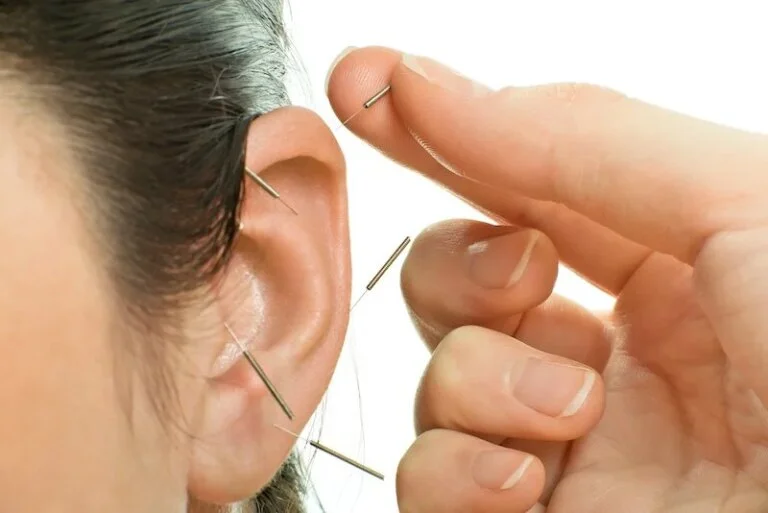
Blog Back Is Acupuncture A Viable Treatment For Hearing Loss And Tinnitus? June 26, 2023 Hearing loss and tinnitus, characterized by a persistent ringing or buzzing sound in the ears, can significantly impact an individual’s quality of life. Traditional treatments for these conditions often involve medications or hearing aids, but an alternative therapy has been gaining recognition for its potential effectiveness: acupuncture. Originating from ancient Chinese medicine, acupuncture involves the insertion of thin needles into specific points on the body to stimulate healing. In this blog post, we will explore the potential benefits of acupuncture as a treatment for hearing loss and tinnitus, shedding light on this intriguing avenue of alternative medicine. Understanding Acupuncture: Acupuncture is an integral part of traditional Chinese medicine, which views the body as an interconnected system of energy pathways called meridians. By inserting fine needles into specific points along these meridians, acupuncture aims to restore balance and promote the body’s natural healing abilities. While the scientific mechanisms behind acupuncture are still being explored, it is believed to influence the nervous system, release endorphins, and improve blood circulation. Acupuncture and Hearing Loss: Several studies and anecdotal evidence suggest that acupuncture may have a positive impact on various types of hearing loss. Acupuncture is thought to improve blood flow to the ear and stimulate the release of growth factors that can promote the regeneration of damaged sensory hair cells in the inner ear. Additionally, acupuncture may help reduce inflammation and alleviate conditions that contribute to hearing loss, such as ear infections or excessive earwax buildup. However, individuals who have used acupuncture as a treatment for hearing loss often use medication or herbal remedies as well. It is therefore difficult to determine whether any positive impact is due to the use of acupuncture, medication, herbal remedies, or the placebo effect. Acupuncture and Tinnitus: Tinnitus, often described as a ringing, buzzing, or hissing sound in the ears, can be a distressing and chronic condition. Acupuncture has shown promise as a complementary therapy for tinnitus by addressing underlying imbalances and promoting relaxation. By targeting specific acupuncture points, particularly those associated with the ears and auditory system, acupuncture may help reduce the intensity and frequency of tinnitus symptoms. Additionally, acupuncture’s stress-reducing effects can benefit individuals who experience tinnitus exacerbated by anxiety or stress. A Holistic Approach: It’s important to note that acupuncture is not a standalone treatment for hearing loss or tinnitus but should be considered as part of a comprehensive approach. It can be utilized in conjunction with other conventional therapies and lifestyle modifications to enhance overall outcomes. Seeking the guidance of a qualified acupuncturist who specializes in treating hearing-related conditions is crucial to ensure proper assessment, treatment planning, and ongoing care. Safety and Considerations: When performed by a trained and licensed acupuncturist, acupuncture is generally safe with minimal side effects. The procedure is relatively painless, with the sensation often described as a slight tingling or warmth at the insertion site. However, it is essential to consult with a healthcare professional before pursuing acupuncture, especially if you have underlying medical conditions or are currently undergoing other treatments for hearing loss or tinnitus. Acupuncture offers a potentially valuable therapeutic option for individuals struggling with hearing loss and tinnitus. While more research is needed to fully understand its mechanisms and efficacy, acupuncture’s holistic approach and focus on restoring balance in the body make it an appealing adjunct treatment. If you are considering acupuncture for hearing-related conditions, consult with a qualified acupuncturist and work in collaboration with your hearing specialist and healthcare team to develop a comprehensive plan. By exploring alternative avenues like acupuncture, individuals may find relief and regain a greater sense of well-being in their journey toward managing hearing loss and tinnitus. To learn more about acupuncture, hearing loss, and tinnitus, we invite you to contact our hearing practice today. Share :