
Blog Back How Do You Know Which Hearing Aids To Choose? November 28, 2022 If you have hearing loss, your hearing professional may have recommended that you wear hearing aids. Your journey with hearing aids starts with you choosing your devices. But with so many hearing aids out there, especially with over-the-counter devices now available, how do you know which type of hearing aids to pick? Here are a few things to consider as you select your hearing aids.Hearing LossMany people have hearing loss, but no two people have the exact same hearing loss. Your hearing is unique and your hearing aids should be chosen with your specific hearing loss in mind. Talk to your hearing aid professional about your hearing loss and the types of hearing aids they recommend for your individual hearing needs.One tip to keep in mind: get hearing aids for both ears. Even if you only have hearing loss in one ear or hearing loss is more severe in one ear, you should wear hearing aids in both ears.SizeThe size of your hearing aid will play a role in how easy it is for other people to see your hearing aid. If it’s important to you that your hearing aid is nearly invisible, talk to your hearing professional about getting a smaller device.The size of your hearing aid might depend on more than personal preference. Size can be determined by factors like the shape of your ear, your type of hearing loss, and how advanced you want your hearing aids to be.StyleYears ago, most hearing aids came in just one style. However, today’s hearing aids come in a wide variety of styles. This includes different sizes, colors, finishes, features, and more. You can decide whether you’re comfortable with a “traditional” looking hearing aid or if you prefer a more modern style.TechnologyAgain, modern hearing aids come with a wide range of available features. These include technology features like Bluetooth, phone connectivity (if you have a smartphone like an iPhone, Android, or Google phone), connectivity for your TV or computer, control features from a phone app, and more. Talk to your hearing aid professional about how tech-savvy you are and how technologically advanced you want your hearing aids to be. With such a wide range of options, you’re sure to find one that fits your technology needs.LifestyleDo you work? Do you enjoy being active? Do you often participate in outdoor activities? Do you use a cell phone? Do you use a landline? Do you use a radio? All of these factors (and more) should be considered when choosing your hearing aids. Your hearing aid professional will be able to recommend hearing aids that best fit your lifestyle and your specific needs.CostThis might be the elephant in the room: cost. More advanced hearing aids are more expensive, while more basic ones are less expensive. Thankfully, there are effective solutions for any price range. Be open when talking to your hearing professional about the cost you are comfortable with. Many hearing practices can offer payment plans, so ask about that as well.The bottom line is that choosing hearing aids should take into account several factors—and in the end, the selection is very personalized. The best way to get the best hearing aids for you is to work with a hearing aid professional who can consider all of your needs and desires to help you make the best choice. For more information and to set up your appointment with our hearing professional, we welcome you to contact our office today. Share :
Author: sitemanager
Everything You Need To Know About Over-The-Counter Hearing Aids

Blog Back Everything You Need To Know About Over-The-Counter Hearing Aids October 23, 2022 Hearing aids have been approved for over-the-counter (OTC) use. Congress passed the Over-the-Counter Hearing Aid Act of 2017 to make hearing aids more accessible for adults with mild to moderate hearing loss. Several manufacturers already sell them online, and the devices are slated to hit the shelves once the law takes full effect in October 2022. These devices will be sold directly to consumers without an exam or a fitting by an audiologist. With this new option, you may be wondering whether OTC hearing aids are right for you. Here are a few things you need to know about OTC hearing aids.Where can I get OTC hearing aids?OTC hearing aids are already being sold online. They will soon be available in pharmacies, stores, and doctors’ offices. If you choose to purchase OTC hearing aids, be sure they come with a comprehensive return policy.How are OTC hearing aids different?Over-the-counter hearing aids are not exactly like hearing aids you receive from a hearing aid specialist. Here are a few differences: Who fits them: Prescription hearing aids are fit by an audiologist or hearing specialist. OTC hearing aids are self-fit. Diagnosis and testing: A hearing specialist conducts hearing tests and diagnoses using advanced equipment. For OTC hearing aids, you will conduct your own approximated self-test and diagnosis depending on the product purchased. Degree of hearing loss: Prescription hearing aids can be used to treat any level of hearing loss, from mild to severe. OTC hearing aids are only for self-perceived mild to moderate hearing loss. Design: Prescription hearing aids are available in a full range of designs, including discreet custom options. In contrast, OTC hearing aids are available in limited designs with a one-size-fits-most approach. Intended user: People of any age and any medical status can use prescription hearing aids. OTC hearing aids are designed for adults (age 18+) with mild to moderate hearing loss. Am I a candidate for OTC hearing aids?You may be a candidate for OTC hearing aids if you have mild to moderate hearing loss. You may have mild hearing loss if you feel that you occasionally miss sounds or have difficulty hearing in loud, noisy environments. OTC hearing aids may be a good solution if the cost of prescription hearing aids is holding you back from treating your hearing loss.Who is not a candidate for OTC hearing aids?OTC hearing aids are not a good option for children or for those who have severe hearing loss. In addition, you should see a doctor (rather than purchase OTC hearing aids) if you experience sudden hearing loss, a sudden plunge in your hearing (even if it improves), a big difference in the hearing between one ear and the other, or tinnitus in only one ear. These may be signs of medical problems.Will I be satisfied with OTC hearing aids?A recent study found that users of “premium” prescription hearing aids showed the greatest satisfaction with their devices. One of the greatest factors study participants cited was comfort, specifically how the hearing aids processed background noise and how well they could hear speech in a group setting.That being said, you don’t know whether you’ll be satisfied with OTC hearing aids until you try them. If you decide to try out OTC hearing aids, you may also want to see a hearing aid specialist and consider prescription hearing aids as well.For more information about the pros and cons of OTC hearing aids, please contact our office today. Share :
Where Is The Best Place To Get Hearing Aids?

Blog Back Where Is The Best Place To Get Hearing Aids? October 11, 2022 You may have heard that hearing aids will soon be available over-the-counter at retailers like Walgreens and CVS. With hearing aids also available from a hearing care professional like an audiologist, at big box stores, and from online-only retailers, you have options when it comes to where you get your hearing aids. So, where is the best place to get hearing aids?Hearing aids have changed a lot in the last 20 years, but the answer to this question has not. Despite the availability of new options for accessing hearing aids (which will enable more people who need hearing aids to get them—great news!), the best place to get hearing aids is from a hearing care professional. Here are a few reasons why: Accurate solutions tailored to your needs.You are unique, and so is your hearing. You can think of it like your sense of taste; you don’t like all the same foods as everyone else. Your hearing loss is nuanced, unique, and complicated. For example, you may have hearing loss in one or both ears, and even if both ears are affected, the loss may not be the same in both. Other factors to consider when it comes to hearing loss include your hearing thresholds, which frequencies you struggle to hear, and more.Your hearing aid professional can make certain that your hearing aids are tailored to your personal hearing needs. In addition, your hearing professional can consider factors that would not come into play in an OTC environment, such as the types of listening environments you frequent, whether you are more active or relaxed, how tech savvy you are, whether you have dexterity issues, what you prefer when it comes to style and features, and much more.Your hearing aids should be unique to you. Choosing OTC or big-box hearing aid solutions does not give you the same personalized care as seeing a hearing aid professional. Hearing professionals can fit, program, and support your hearing aid in a way that is tailored to your specific needs. This is the best way to ensure reliable results and the benefits you need. Long-term care to support your investment.Let’s face it: hearing aids aren’t cheap. No matter where you purchase your hearing aids, they are a financial investment. Hearing aids are also an investment in better communication, your connection to other people, improved health and happiness, and better quality of life.The best way to make the most of your investment is to have your hearing aids fit, programmed, and supported long-term by a hearing aid professional. Your hearing professional will provide expert consultation, personalized fitting, and ongoing care. You deserve the best support when it comes to an investment this important. Expert services for high-tech devices.Today’s hearing aids are sophisticated devices. While a range of features and options are available, high-tech hearing aids can connect to your smartphone, computer, or TV, filter sounds in noisy environments, and much more. In addition, they are much smaller and lighter than they used to be!With such high-tech options available, you need an expert who knows how to make the most of every feature—and who can tell which features will work best for you. A hearing care professional has the knowledge and experience needed to help you achieve optimal benefits from your advanced hearing aids. The answer is clear: the best place to get hearing aids is from a hearing aid professional. To learn more about hearing aids and their benefits, we welcome you to contact our hearing practice today. Share :
New Study Shows Promise For Helping Individuals With Auditory Sensitivity

Blog Back New Study Shows Promise For Helping Individuals With Auditory Sensitivity September 10, 2022 Do you have auditory sensitivity? Auditory sensitivity, or hyperacusis, occurs when a person is overly sensitive to sounds. The most common cause of hyperacusis is damage to the inner ear due to aging or exposure to loud noise. For the most part, individuals with auditory sensitivity have been told there is not much that can be done for their condition and, besides taking simple steps like wearing headphones, they simply need to “deal with it.” A new study, however, shows promise for helping those with auditory sensitivity.The study was published in the July 2022 edition of the journal Proceedings of the National Academy of Sciences (PNAS). The study was led by University of Colorado Anschutz Medical Campus researchers Andrew Mecca and Giusy Caprara, PhD, in the laboratory of Anthony Peng, PhD. The researchers focused on the gating spring, which is a tiny, nanometer-scale protein structure that mechanically opens and closes an ion channel in sensory hair cell cells in response to sound vibrations.For years, hearing researchers have hypothesized that the gating spring can act as a controller of the ion channel’s activity. The purpose of the study was to test this hypothesis and further explore the function of the gating spring in modulating the sensitivity of the channel. The researchers found that modifying a physical property of the gating spring—its stiffness—can control how much the channel opens and closes in response to sound vibrations in the inner ear. In particular, the study revealed that a specific type of signaling molecule called cyclic adenosine monophosphate (cAMP) reduced the stiffness of the gating spring and thereby decreased the channel’s sensitivity.This study marks the first time a physiological mechanism for controlling gate spring stiffness has been identified. Peng, associate professor at the University of Colorado School of Medicine and senior author of the study, said, “Identifying the underlying mechanism of this process—how it works physiologically and mechanically—provides an avenue for future research and provides an opportunity for the field to develop a new type of drug that can be used to prevent a type of hearing loss that occurs from exposure to very loud sound.” One possible application of the new research is to help people protect their hearing from the effects of loud noise. This marks an important step forward in the field of audiology.The findings of the study hold promise for people who suffer from auditory sensitivity as well. If a medication were developed that could modify the gating spring, it may be able to decrease auditory sensitivity. This could bring great relief to those who struggle with hyperacusis. In addition, this new research opens a door for a better understanding of how the auditory system functions in general and how it protects sensory cells from potential damage. Share :
Recent Study Highlights The Importance Of Early Intervention For Hearing Loss
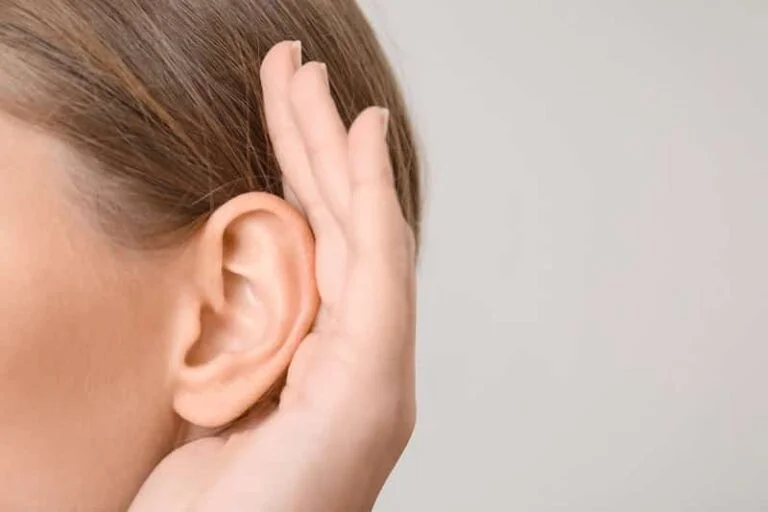
Blog Back Recent Study Highlights The Importance Of Early Intervention For Hearing Loss September 10, 2022 When it comes to your health, early intervention is best. This seems apparent for health conditions like cancer, heart disease, diabetes, and more. It is obvious to most people that it is better to treat these conditions early rather than when they have become severe and have had a greater effect on your body and your overall health. However, many people do not give the same thought to their hearing health. Just like other health conditions, it is important to seek out early treatment for hearing loss.Over the years, research has shown that untreated hearing loss is connected to numerous health problems. These conditions include depression, social isolation and loneliness, anxiety, falls, and cognitive decline. By seeking treatment for hearing loss—like hearing aids—you can lower your risk for these health conditions.A recent study highlights the importance of early intervention for hearing loss. In the study, researchers at the Columbia University Irving Medical Center followed a group of 2,110 adults over a mean follow-up period of 9.1 years. The study evaluated the participants’ cognitive performance and hearing threshold using standard pure tone audiometry. The findings of the study were published in the March 2022 issue of the journal Frontiers in Aging Neuroscience.The study resulted in two main findings that are relevant to the issue of early intervention. First, researchers found that worse hearing was associated with significantly steeper cognitive decline. This indicates that an important step in protecting your cognitive function as you age is to treat any hearing loss as soon as possible.Second, the results suggest that the connection between hearing loss and cognitive decline may begin when the individual’s audiogram is still in the normal range. This means that hearing loss does not need to be severe in order to affect your cognitive function. Even minimal hearing loss can have serious, wide-reaching effects on your health.This research, combined with other studies, underlines the importance of treating hearing loss as early as possible. Many people think they should wait to wear hearing aids until they can no longer hear properly or participate in conversations. On the contrary, you should seek treatment from a hearing professional for any changes in your hearing, even if they are small.Here are a few steps you can take to protect your hearing, cognitive function, and overall health: Get your hearing checked regularly. If your hearing begins to decline, even if it is in the normal range, ask your hearing professional whether you need treatment. If you notice any changes in your hearing, speak with a hearing professional as soon as possible, even if it is not time for your regular hearing assessment. If you have hearing aids, wear them! The only way to get the benefits of hearing aids is to wear them all the time when you are awake. Stay physically active, eat a healthy diet, and see your doctor for an annual medical checkup. Since your physical health and your hearing health are connected, it’s important to take care of your overall health as well. To learn more about the importance of early intervention for hearing loss and to schedule your next appointment with our hearing professional, we invite you to contact our office today. We look forward to caring for you. Share :
4 Common Mistakes Made By Hearing Aid Users
Blog Back 4 Common Mistakes Made By Hearing Aid Users August 27, 2022 If you have hearing loss, your hearing specialist might recommend hearing aids. Hearing aids are devices that help you hear speech and other sounds that you otherwise could not hear clearly. While the idea of using hearing aids might seem straightforward, there are several common mistakes people make when using hearing aids. This is especially true for new hearing aid users. Do you make any of these common hearing aid mistakes?Hearing Aid Mistake #1: Putting in your hearing aids without checking the features and settings.It might seem like a great idea to put in your new hearing aids right away once you receive them. However, it can be very worthwhile to check the features and settings first. Many modern hearing aids come with advanced features that can improve your quality of life and make using your hearing aids easier. If you simply put in your hearing aids without learning how these features work, you might be short-changing yourself and your hearing.Furthermore, it’s important to make sure the settings are all set correctly before you start using your hearing aids. If the settings are not correct, you may not like wearing your hearing aids or you might not use them to their full extent. We recommend that you ask your hearing specialist to show you the features and settings on your new hearing aids and explore them yourself before you start wearing your devices.Hearing Aid Mistake #2: Not having your hearing aids professionally fitted.Now that over-the-counter hearing aids are becoming available, it is possible to get a hearing aid and start wearing it without it being professionally fitted. While this might seem like an easier option, it can cost you in the long run. One important benefit of having your hearing aids professionally fitted is that they will be as comfortable as possible. This is crucial since you will want to wear your hearing aids often (likely every day!) and will want to maximize comfort.Hearing Aid Mistake #3: Not expecting a period of adjustment.When you buy new shoes, you expect a period of “breaking them in,” when you will get used to wearing your new shoes. The same is true if you started wearing glasses; you would expect a period of adjusting to wearing lenses. Similarly, you should expect a period of adjustment for your new hearing aids.One thing you can expect to adjust to is that your hearing with hearing aids is not exactly the same as normal hearing before hearing loss. It will be a little different, and it will also feel different from how you have become accustomed to hearing things with hearing loss. As long as you expect a period of adjustment, you will likely find it not too frustrating. If you need any help during this period, be sure to reach out to your hearing specialist. We want to make sure your transition to using hearing aids is as seamless as possible.Hearing Aid Mistake #4: Not cleaning your hearing aids.You want your hearing aids to last as long as possible, and one important factor in helping your devices last is cleaning them properly. It is essential that you clean your hearing aids on a regular basis—ideally every night when you take your hearing aids out before going to bed. Your hearing aids can collect dust and dirt that need to be cleaned off regularly. In addition, be sure to empty and clean the wax deposits every night. Failing to do so can prevent your hearing aids from working properly.Avoiding these four mistakes can go a long way in helping your hearing aids last and ensuring that you get the most out of your devices. To learn more about the best way to use your hearing aids, we invite you to contact our hearing practice today. Share :