
Blog Back Can Treating Hearing Loss Reduce Stress? You May Be Surprised By The Answer August 10, 2022 When you think about factors in your life that cause stress, you might think of some of the obvious answers: your job, family responsibilities, or current events. However, did you know that hearing loss can cause stress too? Here is how hearing loss and stress are connected.The Connection between Hearing Loss and StressUntreated hearing loss can lead to increased stress levels. This is because people with untreated hearing loss often experience what is known as listening fatigue. Listening fatigue is what happens when you constantly need to concentrate on speech, social cues, or lipreading to try to understand what is being said to you. Untreated hearing loss can cause you to feel exhausted without doing extra physical work because of the mental work required.Listening fatigue is common among both children and adults with untreated hearing loss. It can result in increased stress due to the strain of trying to understand speech and other sounds. Thankfully, there is good news: you can reduce both listening fatigue and stress by wearing hearing aids.The Link between Tinnitus and StressYes, tinnitus can cause stress as well. Tinnitus, or ringing in the ears, has an interesting relationship with stress. As you might expect, a constant ringing in the ears can make you feel stressed or on edge. In addition, stress can make tinnitus worse.People with tinnitus often report that their tinnitus worsens during times of increased stress. One study that polled people with tinnitus found that 53.6 percent of respondents said that their tinnitus began during a stressful time of their life. Furthermore, 52.8 percent of people polled reported that their tinnitus increased during a stressful period.As with hearing loss, using hearing aids can reduce tinnitus. A study conducted among hearing professionals found that approximately 60 percent of patients reported mild to major relief from tinnitus when wearing hearing aids. About 20 percent of hearing professionals said their patients reported major relief from tinnitus thanks to hearing aids. Hearing aids can be an effective treatment for both hearing loss and tinnitus, which can in turn reduce your stress levels.The Importance of Managing StressWhy is it important to manage your stress levels? Overall, stress can have detrimental effects on your body. High stress levels can contribute to serious health problems, including high blood pressure, diabetes, heart disease, and obesity. Stress can also cause headaches, jaw pain, poor sleep, trouble concentrating, changes in appetite, frequent mood swings, and feeling overwhelmed. Treating your hearing loss or tinnitus can be one step in managing your stress levels and taking care of your health.Some other effective ways to manage stress include: Exercising regularly Getting enough sleep Spending time with family and friends Making time to enjoy your hobbies Using breathing exercises Managing your time and prioritizing your responsibilities Avoiding alcohol and drugs Eating well Talking to friends, family, or a counselor about what is stressing you To learn more about how you can manage stress and to set up an appointment with our hearing healthcare specialist, we welcome you to contact our practice today. Share :
Author: sitemanager
What Is The Connection Between Hearing Loss And Anxiety?

Blog Back What Is The Connection Between Hearing Loss And Anxiety? July 24, 2022 If you suspect your hearing has gotten worse, or if you have recently been diagnosed with hearing loss, you may be feeling anxious. Anxiety, which is a persistent heightened state of alert, is normal with any stressful situation, including those related to your health and wellbeing. However, when normal anxiety becomes long-lasting and invasive, it becomes a disorder in and of itself. Over the years, research has shown that hearing loss and anxiety are connected. What is that connection?Types of AnxietyMental health professionals generally distinguish between five types of anxiety: Generalized anxiety disorder Post-traumatic stress disorder Obsessive-compulsive disorder Panic disorder Social anxiety disorder Hearing loss may be related to various types of anxiety. For example, if you are involved in an accident or injury that leads to sudden hearing loss, you may experience post-traumatic stress disorder. On the other hand, if you have hearing loss but are constantly looking for symptoms of dementia, you may have generalized anxiety disorder.In addition to causing constant “what if” worries, anxiety can also cause physical symptoms. These may include nausea, muscle aches, dizziness, difficulty concentrating, insomnia, or a feeling of dread. If anxious thoughts and physical symptoms are persistent and interfere with your quality of life, it may be time to seek professional help.The Link between Hearing Loss and AnxietyIf you have hearing loss, you may feel that you have a lot to worry about. What if you don’t hear something important? What if you can’t hear someone talking at dinner? What if you miss the punchline to a joke? What if your hearing aid batteries die? What if you misunderstand someone and embarrass yourself? These “what if” scenarios could go on and on.Research supports the link between hearing loss and anxiety. In one study of nearly 4,000 French people aged 65 and older that was conducted over a 12-year period, researchers found that people diagnosed with hearing loss at the beginning of the study had a greater likelihood of developing anxiety symptoms over time. Another study of more than 1,700 adults aged 76 to 85 found that having mild hearing loss resulted in a 32 percent higher risk of reporting anxiety. For those with moderate or higher hearing loss, the risk of anxiety increased to 59 percent.The connection between hearing loss and anxiety seems to go the other way, too. One study of more than 10,500 adults in Taiwan found that those with an anxiety disorder had a greater risk of sudden hearing loss. In the French study mentioned above, participants who reported generalized anxiety disorder (GAD) but not hearing loss at the beginning of the study were more likely to develop hearing loss than those without GAD.Worry about Hearing Loss vs. Social AnxietyIf you have hearing loss, you may feel anxious about social situations. How can you tell whether you have social anxiety or you’re simply worried about social interactions?In general, people with social anxiety feel anxious about any situation in which they might be negatively judged, whether it’s a date, job interview, party, small talk, or group lunch. If you have hearing loss, you may also feel anxious about social situations, especially if you are worried about not being able to hear, about mishearing other people, or about feeling left out. If you can solve your worries by using a hearing aid, you probably don’t have social anxiety. If you feel anxious about social situations but still enjoy being around people, your social anxiety may be mild. If you have extreme social anxiety, simply sitting near other people could make you anxious.The TakeawayResearch has shown that hearing loss and anxiety are connected, although further research remains to be done to explore exactly how these two conditions are linked. Fortunately, anxiety is highly treatable. If you believe that you have anxiety—whether or not you think it’s related to hearing loss—you can seek help from a medical doctor, psychiatrist, or psychologist. Of course, hearing aids are available to treat hearing loss as well, which may alleviate some of your anxious thinking.To learn more about the link between hearing loss and anxiety, we welcome you to contact our office today. We are happy to provide the information you need. Share :
Getting Your Hearing Checked Can Improve Your Mood. Here’s Why.
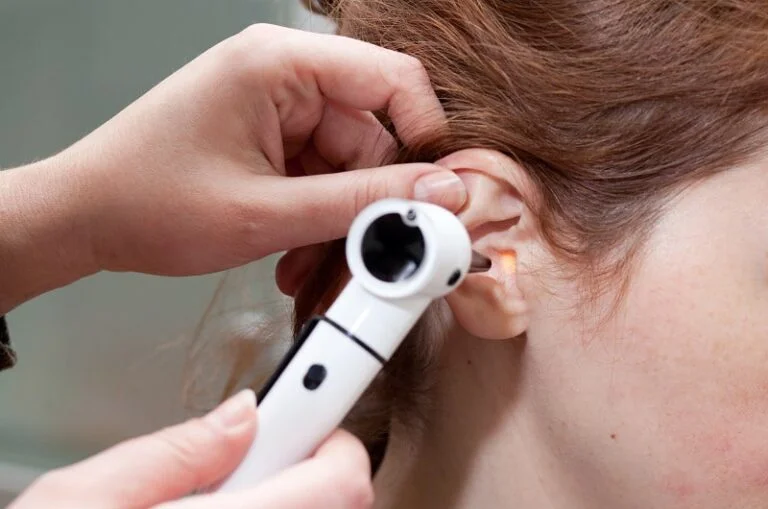
Blog Back Getting Your Hearing Checked Can Improve Your Mood. Here’s Why. July 11, 2022 For many people, your hearing is a part of your health that you take for granted—until you notice a problem. If you experience hearing loss or another issue with your hearing, such as tinnitus, you understand that hearing is an important part of your overall health. Your hearing plays into your well-being and quality of life, so it is essential that you be proactive about your hearing health. In addition, getting your hearing checked can improve your mood as well. Here’s why.The Connection between Mental Health and Physical HealthYour mental health and physical health are closely linked. This is why you might feel down when you are ill or are experiencing physical health challenges. Of course, this applies to more than a cold or the flu, which might make you feel glum for a few days. Taking care of your physical health—including your hearing—can benefit your mental health.For just a moment, forget about learning how good your hearing is and whether you need treatment. The simple act of getting your hearing checked signals to your mind that you are taking care of your physical health and being proactive, which can lead to improved mood and mental health. Even before you learn the results of your hearing test, you may notice an elevated mood. Putting in the time and effort to take care of yourself physically can pay off in your mental health.The Link between Hearing Health and DepressionNumerous studies have shown that hearing loss and depression are linked. Adults with hearing loss, especially untreated hearing loss, are more likely to suffer from depression. While this doesn’t mean you will definitely experience depression if you have hearing loss, it is certainly a link to be aware of.Because of this connection, it is important to get your hearing checked on a regular basis. This will enable you to better understand the current state of your hearing health and take action if needed. Again, those with untreated hearing loss are at a greater risk for depression, so getting tested and treating any hearing loss can help to lower your risk for depression and improve your mood. You can also feel good from knowing that you are taking care of both your physical and mental health by having your hearing checked.Address Hearing Loss DirectlyIn retrospect, many people find that they did not address their hearing loss as directly as they wish they would have. Perhaps they were in denial that they were experiencing hearing loss, or maybe they were reluctant to use hearing aids. On an unconscious (or in some cases, conscious) level, these people knew they were leaving their hearing health untreated.Being proactive and addressing hearing loss directly can boost your mood and help you feel good about yourself and how you are caring for your health. In addition, being more direct about taking care of your hearing can be beneficial in helping you get the treatment you need for hearing loss.For more information about how getting your hearing checked can improve your mood, or to schedule your appointment for a hearing test with our professional team, we welcome you to contact our hearing practice today. Share :
What To Do If An Object Is Stuck In Your Ear
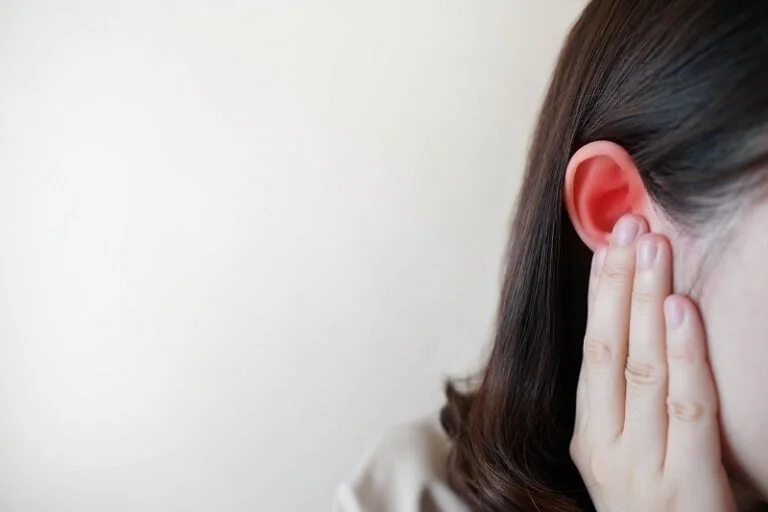
Blog Back What To Do If An Object Is Stuck In Your Ear June 21, 2022 Have you ever had something stuck in your ear? Part of a cotton swab is probably the most common thing to get stuck in an ear. However, people have had bugs, beads, batteries, and other foreign objects stuck in their ears. In most cases, you will feel pain, discomfort, pressure, or itchiness in your ear if something is stuck. You might also notice that your hearing is muffled, or you might feel nauseated or like you need to cough.This is what you should do if you get a foreign object stuck in your ear.If a bug is in your ear:While it might give you the creepy-crawlies just to think about it, it’s not that uncommon for bugs to get stuck in ears. There have been cases of cockroaches, moths, spiders, flies, ticks, and other small bugs crawling into ears. If you feel like something is crawling around in your ear, or if you hear a sound that you think might be a bug, chances are good that a bug has indeed crawled into your ear and now can’t find the way out.To remove a bug from your ear, follow these steps: Lie on your side with the affected ear facing up. Pour warm mineral oil or vegetable oil into the ear until it is full. Wait for 5-10 minutes. This ensures that the bug (and any larvae) are dead. Turn your head and allow the oil to seep out. You can gently pull on your ear to help move things around. Hopefully, the bug will fall out. If the bug does not fall out, flush your ear with a 1:1 mixture of hydrogen peroxide and water or rubbing alcohol and water. If the bug is still in your ear, you should seek professional help. An urgent care doctor may be able to help, or you can see a hearing specialist or ENT. They will have the tools necessary to remove the insect. If a piece of your hearing aid is stuck in your ear:Although it is unlikely, a part of your hearing aid, such as the dome, may come off of your hearing aid and get stuck in your ear. If you remove your hearing aids and notice any pieces missing, contact your hearing specialist as soon as possible. They will be able to remove the part from your ear or refer you to someone who can.If a button battery is stuck in your ear:Since button batteries are so small, they can get stuck in your ear. If this happens, contact a hearing specialist immediately because the battery can leak harmful chemicals into your ear. Do not put any liquids in your ear.If an earring part is stuck in your ear:Because metal parts of earrings can perforate the eardrum, it is best to contact a hearing specialist if you have part of an earring stuck in your ear.If a piece of food is stuck in your ear:You can try flushing out the piece of food by using the same steps listed above for insect removal, but use water or saline instead of oil. If this does not work, seek help from a hearing specialist immediately. Pieces of food can decay and lead to infection.If you have any of these objects—or anything else—stuck in your ear, it is important to seek professional care to ensure that your ears are not damaged. To learn more about what to do if a foreign object is stuck in your ear, please contact our hearing specialist today. Share :
6 Ways To Prevent Your Hearing Loss From Getting Worse

Blog Back 6 Ways To Prevent Your Hearing Loss From Getting Worse June 11, 2022 Do you have hearing loss but haven’t sought treatment? Are you hoping it’s temporary and may resolve on its own? While hearing loss is often permanent, there are some ways you can help prevent your hearing loss from getting worse. Here are six simple tips for protecting your hearing, whether or not you already have hearing loss: Wear hearing protection.Loud noises can contribute to hearing loss. If you know you are going to be around loud noises, such as machinery, lawn equipment, jet engines, or a noisy crowd at a concert or event, it is best to protect your hearing by wearing protection. Earplugs or headphones can help to block out the bulk of the noise and protect you from noise-induced hearing loss.Of course, depending on your lifestyle, you may need to use hearing protection more or less frequently. If you are around excessive noise only a couple of times a year at concerts or games, you will only need to wear hearing protection on those occasions. By contrast, if you work in a noisy environment such as at a construction site, a landscaping business, or an airport, you may need to use hearing protection on a daily basis. Avoid noisy environments when possible.The other solution to handling noisy environments is to avoid them altogether when possible. Harmful noise levels—especially if they reach 85 decibels or higher—can cause temporary or permanent damage to your hearing. Avoiding these noisy environments altogether can help to protect your hearing. Beware of ototoxic drugs.Certain medications are ototoxic, which means they can cause damage to the inner ear. This damage can lead to hearing loss or can worsen existing hearing loss. If you are prescribed a medication that is ototoxic, do not stop taking it without speaking with your doctor first. Ask your doctor if there are any alternative medications and possible ways to mitigate the risk of hearing damage. Keep earwax buildup under control.Earwax (also called cerumen) can build up in your ears and cause hearing difficulties. Your ears usually push out excess earwax, but sometimes buildup can occur that leads to a blockage. Talk to your hearing specialist if you believe earwax buildup might be causing problems with your hearing.You can also remove excess earwax at home (as long as you do not have an eardrum perforation) by gently softening the earwax with drops of warm olive oil, almond oil water, or a commercial earwax removal solution. Don’t forget to consider total wellness.With your body, everything is connected. Hearing loss often does not only affect your ears. It may be linked to other conditions like diabetes, heart disease, kidney disease, dementia, and more. Although the exact connection between these conditions is still being researched and may not be clear in your situation, keep total wellness as your goal. Talk to your hearing specialist about how your hearing health can affect your overall health and you can promote overall wellness. Take advantage of technology.You don’t have to live with untreated hearing loss. Thanks to technology, you can manage hearing loss through the use of hearing aids. Wearing hearing aids can help you hear sounds you wouldn’t be able to on your own—helping you enjoy social situations, hear conversations, and listen to the sounds of nature. In addition, using hearing aids can help you preserve the hearing you have.If you would like to learn more about how to protect your hearing, even if you already have hearing loss, we welcome you to contact our hearing specialist today. We are eager to assist you. Share :
How Head Injuries Can Affect Your Hearing And Balance

Blog Back How Head Injuries Can Affect Your Hearing And Balance May 22, 2022 Have you ever had a head injury? You may know that a traumatic brain injury (TBI) can cause symptoms like memory loss, confusion, and headaches. However, a head injury can affect your hearing and balance as well.How does a traumatic brain injury affect your hearing and balance?The force of a traumatic brain injury can damage or dislodge the delicate bones of the inner ear, disrupt parts of the brain responsible for auditory processing, or rupture the eardrum. These issues may result in a persistent ringing, buzzing, or hissing sound in one or both ears. Some head injury patients also report experiencing hyperacusis, which is an extreme sensitivity to sound. Traumatic brain injuries may result in hearing loss or difficulty hearing in one or both ears.Furthermore, head injuries that affect the inner ear may disrupt the vestibular system, which is made up of tiny fluid-filled canals that send messages to your brain about the head’s position. If the vestibular system is affected, you may experience symptoms like dizziness, spatial disorientation, difficulty finding footing or judging distances, or a feeling that you or your surroundings are in motion.Is hearing loss caused by a head injury permanent?Fortunately, most cases of hearing loss caused by a TBI are not permanent. These cases of hearing loss typically resolve themselves within a few months. As the brain heals from the injury, the auditory processing system recovers as well. If the head injury causes a bone fracture or displacement that affects your hearing, corrective surgery usually resolves the issue.Occasionally, hearing loss caused by a traumatic brain injury is permanent. This may occur when irreparable damage occurs, such as severe damage to the cochlea. Thankfully, this is rare.How can you treat a traumatic brain injury?Head injuries should be treated by a medical professional as soon as possible. Head injury brings a risk of hematoma (bleeding in the brain), so imaging will be necessary to evaluate the damage. If the injury to the ear is physical, such as a displaced bone, this is usually apparent in a CT or MRI scan. Neurological causes of hearing loss can be more difficult to diagnose, but an audiologist can identify these issues through a critical evaluation.If you experience a head injury, be sure to see a physician right away for medical treatment. If you notice any changes to your hearing or equilibrium following the TBI, schedule an appointment with an audiologist as soon as possible as well. Hearing professionals are trained to assess situations like this and recommend any treatment options.How can you prevent hearing loss related to head injury?To prevent head injury, be sure to wear a helmet when you participate in potentially hazardous sports or recreational activities, such as football, horseback riding, cycling, or skateboarding. Always wear your seatbelt when you are driving or riding in a vehicle. In icy conditions, hold onto railings and step carefully to avoid losing your footing. Be careful when entering or exiting the shower or bathtub; many people fall on slick bathroom tiles every year.Prevention will always be the best way to avoid hearing loss and balance problems related to head injury.For more information about how hearing loss is related to head injuries or to schedule an appointment with our hearing professional, we invite you to contact our office today. Share :