
Blog Back The Connection Between Hearing Loss and Hypothyroidism November 18, 2025 For many people, the most well-known and obvious symptoms of hypothyroidism include fatigue, weight gain, or feeling cold all the time. But did you know that thyroid function can also affect your hearing? While it may not be as widely discussed, research has shown a meaningful connection between hypothyroidism and hearing loss. Understanding this relationship can help you take proactive steps to protect both your overall health and your hearing. What Is Hypothyroidism? Hypothyroidism occurs when the thyroid gland, which is a small, butterfly-shaped gland in the neck, does not produce enough thyroid hormones. These hormones play a crucial role in regulating metabolism, energy production, and the function of many organs throughout the body. Common symptoms of hypothyroidism include: Fatigue Weight gain Depression Dry skin Constipation Cold sensitivity Brain fog Because thyroid hormones influence nearly every system in the body, it’s not surprising that the auditory system can also be affected. How Hypothyroidism Can Impact Hearing Thyroid hormones are essential for proper nerve function and circulation, both of which are critical for healthy hearing. Studies suggest that people with hypothyroidism may experience: Sensorineural hearing loss (damage to the inner ear or auditory nerve) Conductive hearing loss (related to issues in the middle ear) Mixed hearing loss (a combination of both) Tinnitus (ringing in the ears) There are several possible explanations for this connection: Nerve Function: Low thyroid hormone levels can impair the function of the auditory nerve. Fluid Balance: Hypothyroidism may affect fluid regulation in the inner ear, which is vital for sound processing. Circulation: Reduced blood flow can affect the delicate structures of the cochlea. Autoimmune Factors: Conditions like Hashimoto’s thyroiditis (an autoimmune form of hypothyroidism) may increase inflammation that impacts hearing. In some cases, hearing changes are subtle and gradual, making them easy to overlook. Treatment Options for Hypothyroidism The primary treatment for hypothyroidism is thyroid hormone replacement therapy, most commonly in the form of levothyroxine. This medication restores hormone levels to a healthy range and typically improves many systemic symptoms. With proper thyroid management: Energy levels often improve Metabolism stabilizes Cognitive clarity increases In some individuals, hearing may partially improve once thyroid levels are normalized, particularly if the hearing changes were mild and identified early. However, hearing recovery is not guaranteed, which makes early detection important. Treatment Options for Hearing Loss If hearing loss persists despite appropriate thyroid treatment, there are excellent solutions available. Hearing aids are the most common and effective treatment for sensorineural hearing loss. Modern devices are discreet, comfortable, and highly advanced, capable of filtering background noise and improving speech clarity. For more severe cases, cochlear implants may be an option. These devices bypass damaged portions of the ear and directly stimulate the auditory nerve. If tinnitus is present, sound therapy, hearing aids with tinnitus masking features, and counseling strategies can help reduce its impact. The most important first step is a comprehensive hearing evaluation. If you have hypothyroidism and notice difficulty hearing conversations, needing to turn up the TV, or persistent ringing in your ears, it’s wise to schedule a hearing test. A Collaborative Approach to Care Because hypothyroidism affects multiple systems in the body, coordination between your primary care provider, endocrinologist, and hearing specialist is key. Managing thyroid levels while addressing hearing concerns ensures you receive comprehensive, personalized care. If you have hypothyroidism (or suspect you might) and are experiencing changes in your hearing, don’t ignore them. Early evaluation and treatment can make a meaningful difference in your quality of life. We welcome you to contact us today to learn more about the connection between hearing loss and hypothyroidism. Share :
Author: sitemanager
Teenagers and Hearing Aids: What Parents and Teens Should Know
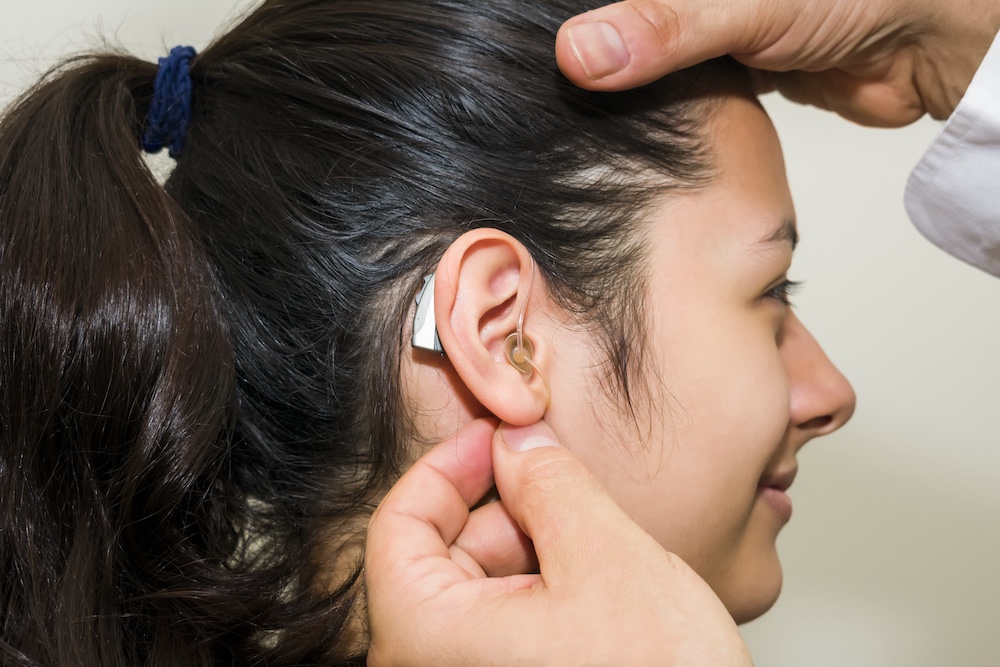
Blog Back Teenagers and Hearing Aids: What Parents and Teens Should Know February 15, 2026 When most people think about hearing aids, they often picture older adults. But hearing loss can affect individuals of all ages, including teenagers. Whether caused by genetics, frequent ear infections, noise exposure, or other medical conditions, hearing loss during the teen years can impact academics, social life, and self-confidence.The good news? With early detection and the right support, teens with hearing loss can thrive. Signs of Hearing Loss in TeenagersHearing loss in teens can sometimes be subtle or mistaken for inattentiveness or moodiness. Keep an eye out for these common signs: Frequently saying “What?” or asking others to repeat themselves Turning up the volume on TVs, phones, or music louder than usual Difficulty hearing in noisy environments like classrooms or restaurants Complaints of ringing in the ears (tinnitus) Struggling academically, especially with verbal instructions Withdrawing from social situations Appearing frustrated during conversations Because teenagers are often exposed to loud music through headphones/earbuds, concerts, and sporting events, noise-induced hearing loss is increasingly common. If you notice any of these signs, it’s important to take action promptly. What to Do If You Suspect Hearing LossThe first step is scheduling a comprehensive hearing evaluation with a licensed audiologist. A full hearing test will determine whether hearing loss is present, identify its type and severity, and guide next steps. If hearing loss is diagnosed, your hearing specialist will discuss treatment options. In many cases, hearing aids may be recommended. Early intervention is key. Addressing hearing challenges sooner rather than later can help protect academic performance, social development, and emotional well-being. It’s also important to involve your teenager in the process. Open communication helps teens feel empowered rather than singled out. Hearing Aid Options for TeenagersToday’s hearing aids are more advanced and more teen-friendly than ever before. Many devices are small, discreet, and packed with features designed for active lifestyles. Common options include: Behind-the-ear (BTE) hearing aids: Durable and powerful, often recommended for younger patients. Receiver-in-canal (RIC) hearing aids: Smaller and more discreet while still providing excellent sound quality. Bluetooth-enabled hearing aids: Allow direct streaming from smartphones, tablets, and other devices. Can be a good choice for school and social life. Rechargeable models: Convenient for busy teens who may not want to manage small disposable batteries. Many teens appreciate customizable features such as color options or sleek designs. Today’s technology allows hearing aids to blend seamlessly into everyday life. Tips for Teens Using Hearing AidsAdjusting to hearing aids takes time, but a few simple habits can make a big difference: Wear them consistently.Daily use helps the brain adapt to new sounds and improves overall comfort and performance. Keep them clean and dry.Wipe them down each night and store them in a protective case. Avoid moisture exposure during showers, swimming, or sports unless using protective gear. Charge or change batteries regularly.Make it part of your nightly routine to ensure they’re ready for the next day. Protect your hearing.Even with hearing aids, teens should avoid excessive noise and use ear protection at concerts or loud events. Speak up about challenges.If something doesn’t sound right or feels uncomfortable, let your hearing specialist know. Adjustments can almost always be made. Hearing loss during the teenage years can feel overwhelming at first, but it doesn’t have to limit your child’s potential. With proper evaluation, advanced hearing technology, and ongoing support, teenagers can stay connected, confident, and fully engaged in school, friendships, and everyday life. If you have concerns about your teen’s hearing, our team is here to help every step of the way. We invite you to contact us today to learn more. Share :
Hyperbaric Oxygen Therapy for Sudden Hearing Loss: What You Should Know
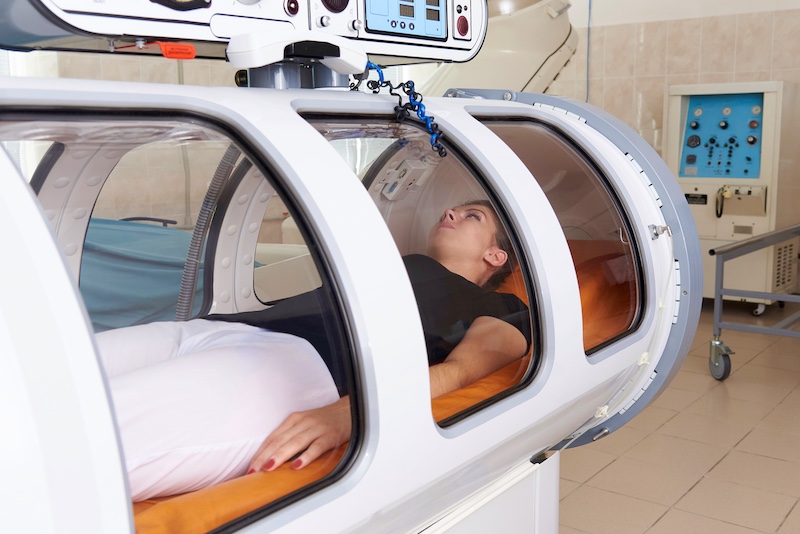
Blog Back Hyperbaric Oxygen Therapy for Sudden Hearing Loss: What You Should Know January 26, 2026 Hyperbaric Oxygen Therapy for Sudden Hearing Loss: What You Should KnowSudden hearing loss can be frightening and confusing. One day your hearing is normal, and the next you may notice muffled sounds, pressure in the ear, or a dramatic drop in hearing—often in just one ear. This condition, commonly referred to as Sudden Sensorineural Hearing Loss (SSNHL), is considered a medical emergency. The sooner it is evaluated and treated, the better the chances of recovery. One treatment option that has gained increasing attention is Hyperbaric Oxygen Therapy (HBOT). What Is Sudden Sensorineural Hearing Loss?SSNHL typically occurs within a 72-hour period and is often unexplained. Possible contributing factors include viral infections, reduced blood flow to the inner ear, inflammation, or immune-related responses. Because the inner ear relies on a very delicate blood and oxygen supply, even a brief disruption can affect hearing. What Is Hyperbaric Oxygen Therapy?Hyperbaric Oxygen Therapy involves breathing 100% oxygen in a pressurized chamber. Under these conditions, oxygen is able to dissolve more efficiently into the bloodstream and reach areas of the body that may be deprived of adequate oxygen, such as the inner ear. HBOT has long been used for conditions like wound healing and decompression sickness, and research has shown it may also be beneficial for sudden hearing loss. How HBOT May Help Sudden Hearing LossThe inner ear is highly sensitive to oxygen levels. When blood flow or oxygen delivery is compromised, the sensory cells responsible for hearing can become injured or stop functioning properly. HBOT increases the amount of oxygen delivered to the cochlea, which may help reduce inflammation, improve circulation, and support cellular repair. In some cases, this enhanced oxygen delivery may help restore hearing or prevent further damage. Timing MattersHBOT is most effective when started as soon as possible after the onset of sudden hearing loss, ideally within the first two weeks. It is often used in combination with other treatments, such as corticosteroids, rather than as a stand-alone therapy. A hearing specialist plays a critical role in identifying hearing changes early and coordinating care with medical providers. What to Expect During TreatmentDuring an HBOT session, patients relax inside a chamber while breathing oxygen for about 60 to 90 minutes. A typical treatment plan may involve multiple sessions over several days or weeks. Most people tolerate HBOT well, though some may experience temporary ear pressure or mild fatigue. Is HBOT Right for You?Not every patient with sudden hearing loss is a candidate for hyperbaric oxygen therapy. A comprehensive hearing evaluation, including a hearing test, is essential to determine the severity and type of hearing loss. Your hearing specialist can help guide you through available treatment options and refer you to appropriate medical specialists if HBOT is being considered. Early Action Makes a DifferenceIf you or a loved one experiences sudden hearing loss, don’t wait. Prompt evaluation and treatment can significantly improve outcomes. Hyperbaric oxygen therapy may be a valuable part of a comprehensive treatment approach. To learn more, we welcome you to contact our hearing practice today. Share :
6 New Year’s Resolutions for People with Hearing Loss

Blog Back 6 New Year’s Resolutions for People with Hearing Loss January 19, 2026 6 New Year’s Resolutions for People with Hearing LossThe New Year is a natural time for fresh starts and healthy habits. If you or a loved one has hearing loss, this is a wonderful opportunity to set goals that support better communication, confidence, and overall well-being. Small, realistic resolutions can make a big difference in how you hear and connect with the world around you.Here are some practical and achievable New Year’s resolutions for people with hearing loss. 1. Schedule (or Keep) Your Hearing CheckupJust like an annual physical or eye exam, regular hearing evaluations are essential. If it’s been a year (or longer) since your last hearing test, make this the year you prioritize it. Hearing can change gradually, and early detection allows for better treatment options and outcomes. For hearing aid users, routine checkups ensure devices are programmed optimally and working their best. 2. Commit to Wearing Your Hearing Aids ConsistentlyOne of the most common challenges we see is inconsistent hearing aid use. If your resolution is to wear your hearing aids daily, you’re setting yourself up for success. Consistent use helps your brain adapt to sound, improves speech understanding, and reduces listening fatigue. Start with manageable goals, like wearing them during social activities, and build from there. 3. Improve Communication HabitsHearing well isn’t just about technology; it’s also about communication strategies. This year, resolve to advocate for yourself. That might mean asking others to face you when speaking, reducing background noise when possible, or choosing quieter seating at restaurants. Clear communication benefits everyone involved and reduces frustration on both sides. 4. Explore New or Updated TechnologyHearing technology continues to improve every year. If your devices are several years old, consider learning about newer options. Today’s hearing aids often offer better sound clarity, rechargeable batteries, Bluetooth connectivity, and advanced noise reduction. Even small upgrades, like new accessories or updated programming, can significantly enhance your listening experience. 5. Protect the Hearing You HaveHearing protection is an often-overlooked resolution. Whether you attend concerts, use power tools, or work in noisy environments, protecting your hearing is key to preventing further loss. Keep earplugs handy and be mindful of volume levels when using headphones or earbuds. Prevention is one of the best gifts you can give your future self. 6. Stay Social and EngagedHearing loss can sometimes lead people to withdraw from social situations, especially if listening feels difficult. This year, make it a goal to stay engaged. Join a group, attend family gatherings, or participate in hobbies you enjoy. Better hearing support, combined with confidence-building strategies, can help you stay connected and improve emotional well-being. A Resolution That Lasts All YearNew Year’s resolutions don’t have to be overwhelming to be effective. By focusing on your hearing health, you’re investing in clearer communication, stronger relationships, and a better quality of life.If you’re ready to start the year hearing your best, our team is here to help every step of the way. We welcome you to contact our hearing office today to learn Share :
7 Air Travel Tips for People with Hearing Aids

Blog Back 7 Air Travel Tips for People with Hearing Aids December 22, 2025 Flying with hearing aids doesn’t have to be stressful. With a little preparation and a few smart habits, you can stay comfortable, confident, and connected throughout your journey. Whether you’re an experienced traveler or gearing up for your first flight with hearing devices, these 7 simple tips can help you navigate air travel with ease. 1. Keep Your Hearing Aids On Through SecurityGood news: you can wear your hearing aids through airport security without removing them. Modern devices do not interfere with scanners, and TSA agents are trained to work with passengers who use hearing technology. If you prefer, you can let the agent know you’re wearing hearing aids, but it’s not required. Keeping them on also ensures you don’t miss important announcements or instructions. 2. Pack a Travel Kit With EssentialsA dedicated hearing aid travel kit can make a world of difference. Be sure to include items such as: Extra batteries or your charging case A cleaning cloth and small brush Wax guards Drying capsules or a portable dehumidifier A hard-shell case Store this kit in your carry-on, not your checked luggage, so you have everything you need on hand if delays or changes occur. 3. Bring Backup PowerFlights and layovers can be unpredictable. If you use rechargeable hearing aids, make sure they’re fully charged before you leave and bring your charger, charging cable, and a power bank. For battery-powered devices, pack more batteries than you think you’ll need. Temperature changes and long travel days can drain power faster than usual. 4. Use Accessibility Tools While in the AirportAirports are full of noise and movement, making it easy to miss gate announcements or boarding changes. Many airports now offer visual display boards, captioned announcements, and assistance services. If you’re unsure, check the airport’s website or stop by the customer service desk. You can also download your airline’s app for real-time alerts and boarding updates. 5. Stay Comfortable During Takeoff and LandingChanges in air pressure can sometimes cause ear discomfort, especially for passengers with hearing loss. While hearing aids themselves don’t typically worsen pressure changes, you can ease discomfort by yawning, swallowing, chewing gum, or using specialized earplugs designed for pressure regulation. If you experience ongoing pain, talk with your hearing care provider before your trip. 6. Protect Your Devices on the PlaneWhen on board, you can continue wearing your hearing aids throughout the entire flight—even during takeoff and landing. Just be cautious when adjusting headrests, neck pillows, or face masks, which can sometimes dislodge devices. If you choose to remove your hearing aids for a nap, store them in their case so they don’t get lost in the seat or fall to the floor. 7. Don’t Hesitate to Ask for HelpAirline staff are familiar with assisting travelers who use hearing devices. Whether you need help confirming an announcement, understanding instructions, or boarding early for extra time, the crew is there to support you. With the right preparation, air travel with hearing aids can be smooth and stress-free. If you have specific concerns about flying with your devices or want to make sure they’re in top shape before your trip, our team is here to help you. We invite you to contact us for more information. Share :
Tinnitus Habituation: Training Your Brain to Turn Down the Noise

Blog Back Tinnitus Habituation: Training Your Brain to Turn Down the Noise December 15, 2025 If you live with tinnitus, which is a ringing, buzzing, or humming sound that only you can hear, you know how disruptive it can be. The good news is that many people find real relief through a process called tinnitus habituation. This approach doesn’t “cure” tinnitus, but it can dramatically reduce how much the sound bothers you, giving you back a sense of peace and control. What Is Tinnitus Habituation?Tinnitus habituation is the process of teaching your brain to tune out the internal noise of tinnitus so that it no longer triggers stress, frustration, or constant attention. It works on the principle that the brain is excellent at filtering out sounds it considers unimportant. For example, you don’t notice the hum of the refrigerator or the traffic noise outside once you get used to them. Habituation helps your brain treat tinnitus the same way: as background noise that fades into the distance.This approach is a key element of several evidence-based tinnitus management programs, including Tinnitus Retraining Therapy (TRT) and sound therapy. The goal is not to eliminate the sound completely, but to reduce its emotional and physical impact. How Do You Practice Tinnitus Habituation?Habituation takes time, consistency, and support from hearing professionals. Here are the core steps involved: 1. Use Sound TherapyIntroducing gentle background sound helps your brain stop zeroing in on your tinnitus. Common options include: White noise machines Soft fan noise Nature sounds Low-level music Specialized sound therapy programs This steady external sound makes the tinnitus less noticeable, allowing your nervous system to relax. 2. Address Stress and Emotional ResponseTinnitus and stress often feed off each other. When you focus on the noise, your stress increases, and the ringing feels louder. Techniques such as mindfulness, deep breathing, and cognitive-behavioral strategies help you break this cycle. Over time, your emotional response to tinnitus softens, making habituation easier. 3. Reframe How You Think About TinnitusWorking with a hearing specialist or tinnitus-trained provider can help you understand what tinnitus is—and what it isn’t. Learning that tinnitus is a benign (though annoying) signal can reduce fear and frustration. When your brain stops interpreting the sound as a “threat,” it becomes easier to ignore. 4. Improve Hearing When NeededFor many people, untreated hearing loss makes tinnitus more noticeable. Using hearing aids can amplify everyday sounds and naturally push tinnitus into the background, speeding up the habituation process. Benefits of Tinnitus HabituationThe biggest benefit is relief, not by changing the sound itself, but by reducing how much it affects your daily life. People who go through habituation often experience: Reduced stress and anxiety Improved sleep and concentration Less emotional distress around tinnitus sounds Greater sense of control and calm Better overall quality of life Many patients say that after successful habituation, they still hear their tinnitus occasionally, but it simply doesn’t bother them anymore, and that’s the true goal. If tinnitus is interfering with your daily life, you don’t have to face it alone. Our hearing specialists can guide you through a personalized habituation plan and help you find lasting relief. We welcome you to contact us today for more information. Share :