
Blog Back How Long Do Hearing Aids Last? November 18, 2025 If you wear hearing aids or are considering getting them, you might wonder how long they’ll last before needing to be replaced. Like most modern technology, hearing aids are built to be durable and reliable, but they don’t last forever. On average, most hearing aids last about five years. Their actual lifespan depends on several factors, including maintenance, daily use, and technological advancements. Let’s take a closer look at what influences hearing aid longevity and how you can help yours last as long as possible. The Average Lifespan of Hearing AidsMost high-quality hearing aids are designed to function well for approxmately five years, and sometimes can last up to seven years with good maintenance. In some cases, hearing aids may need replacement sooner due to wear and tear or changes in your hearing. The materials used, the environment in which you wear them, and how well you maintain them all affect their durability. For example, behind-the-ear (BTE) styles often last a bit longer than smaller, completely-in-canal (CIC) styles because their components are slightly larger and more protected. Factors That Affect Hearing Aid Longevity Daily Use and Environment: Hearing aids are exposed to moisture, earwax, oils, and dust every day. If you live in a humid or dusty climate, or if you engage in activities where you sweat frequently, your hearing aids may wear out faster. Maintenance and Care: Regular cleaning and professional check-ups make a big difference. Removing earwax buildup, storing hearing aids in a dry place, and having them serviced by your hearing provider can extend their life. Technology Updates: Even if your hearing aids are still working, you might choose to upgrade sooner to benefit from new features like improved noise reduction, rechargeable batteries, or Bluetooth connectivity. Many patients replace their devices after about five years simply to enjoy the latest technology. Changes in Hearing or Health: Your hearing can change over time. If your current hearing aids no longer meet your hearing needs, your hearing specialist may recommend an adjustment or replacement. Signs It Might Be Time for New Hearing AidsYou may want to consider replacing your hearing aids if you notice: More frequent repairs or inconsistent performance Difficulty understanding speech, even with your devices Shorter battery life than before Outdated features that no longer fit your lifestyle If you’re unsure whether your hearing aids need replacing, your hearing specialist can evaluate their performance and recommend the best next steps. 4. Tips to Make Your Hearing Aids Last Longer Clean them daily with a soft, dry cloth. Avoid exposure to moisture—remove them before showering or swimming. Store them in a dry box or dehumidifier overnight. Schedule regular professional cleanings and performance checks. In SummaryWhile most hearing aids last around five years, proper care and maintenance can extend their lifespan. Regular check-ups with your hearing provider not only keep your devices working their best, but also ensure that your hearing needs are being met as they change over time. If your hearing aids are showing signs of wear or it’s been several years since your last update, we invite you to contact our practice today. We are here to meet your needs. Share :
Author: sitemanager
When Infections Affect Your Hearing: The Link between Illness and Hearing Loss

Blog Back When Infections Affect Your Hearing: The Link between Illness and Hearing Loss June 9, 2026 It’s easy to take your hearing for granted—until something changes. While hearing loss and tinnitus (ringing in the ears) can develop for many reasons, one often-overlooked cause is infection. Certain bacterial and viral infections can damage delicate parts of the ear or auditory nerve, leading to temporary or even permanent hearing changes. Understanding which infections can impact your hearing and how to protect yourself can make a big difference in long-term ear health. Common Infections Linked to Hearing Loss and Tinnitus Middle Ear Infections (Otitis Media) Middle ear infections are especially common in children but can affect adults, too. These infections occur when fluid builds up behind the eardrum, often following a cold or upper respiratory infection. The trapped fluid can reduce sound transmission, leading to temporary hearing loss or a “muffled” sensation. Chronic or repeated ear infections can cause long-term damage to the middle ear structures, increasing the risk of permanent hearing loss. Inner Ear Infections (Labyrinthitis or Vestibular Neuritis) When an infection spreads to the inner ear, it can affect both hearing and balance. Labyrinthitis, which is an infection of the inner ear’s labyrinth, can cause dizziness, vertigo, and hearing loss. It is sometimes accompanied by tinnitus as well. Viral infections such as the flu, measles, or herpes viruses are common culprits. In some cases, damage to the auditory nerve may result in lasting hearing loss. Meningitis Bacterial meningitis is a serious infection that causes inflammation around the brain and spinal cord. Unfortunately, it can also damage the auditory nerve or inner ear structures, making hearing loss one of its most common complications. Children who recover from meningitis are often screened for hearing issues, since early intervention can greatly improve long-term outcomes. Measles, Mumps, and Rubella (MMR) Before widespread vaccination, these viral infections were major causes of hearing loss in children. The measles and mumps viruses can attack the inner ear, leading to sudden or permanent hearing loss. Thanks to vaccines, these cases are now rare, but unvaccinated individuals remain at risk. COVID-19 and Other Viral Infections Recent studies suggest that COVID-19 and other respiratory viruses may, in some cases, cause inflammation in the auditory system that results in temporary hearing loss or tinnitus. Although research is ongoing, these findings remind us that viral infections can have unexpected effects on hearing health. The following have also been linked to hearing loss: Cerebral malaria (Plasmodium falciparum) Cytomegalovirus Ebola virus Epstein-Barr virus Group B streptococcus Haemophilus influenzae Herpes simplex Human immunodeficiency virus Lassa virus Lyme disease (Borrelia burgdorferi) Lymphocytic choriomeningitis virus Non-polio enteroviruses Pneumococcal disease (Streptococcus pneumoniae) Respiratory syncytial virus Rubella Syphilis Toxoplasmosis Varicella zoster virus West Nile virus Zika virus Recognizing the Symptoms If you notice symptoms like ear pain, fullness, drainage, dizziness, or a sudden change in hearing, it’s important to see a healthcare provider promptly. Tinnitus or hearing loss that appears after an illness should never be ignored. Early treatment can often prevent permanent damage. Protecting Your Hearing Stay up to date on vaccines, including MMR, flu, and meningitis shots. Treat ear and sinus infections early to prevent complications. Avoid inserting objects or cotton swabs into the ear canal, which can worsen infection or injury. Schedule regular hearing checkups, especially after severe illness or ear infections. At our hearing practice, our team specializes in diagnosing and treating hearing loss and tinnitus related to infections and other causes. If you’ve experienced recent hearing changes or persistent ringing in your ears, we’re here to help you find answers and restore your hearing health. We welcome you to contact us today for more information and to schedule an appointment. What is Listening Fatigue? Listening fatigue occurs when the brain has to work extra hard to process sounds and understand speech. Normally, hearing should feel effortless. However, when hearing is reduced or sound quality is unclear, the brain must u201cfill in the gapsu201d to make sense of conversations and surrounding noises. This constant effort can become mentally draining over time. People with listening fatigue often describe feeling tired, stressed, irritable, or unable to focus after social interactions or noisy environments. Even simple conversations may feel exhausting by the end of the day. Listening fatigue is not simply u201cbeing tired.u201d It is a real cognitive strain caused by the increased mental energy needed to hear and understand speech. Who Is Most Likely to Experience Listening Fatigue? Listening fatigue can affect people of all ages, but it is especially common among individuals with hearing challenges. Some groups that are more likely to experience it include: People with untreated hearing loss Individuals who work in noisy environments Older adults with age-related hearing changes People who struggle to hear in crowds or group conversations Children and students with hearing difficulties Individuals with hearing aids that are outdated or improperly adjusted Even mild hearing loss can contribute to listening fatigue. In many cases, people may not realize their hearing is the issue. Instead, they may assume they are simply stressed, distracted, or overly tired. Signs of Listening Fatigue Listening fatigue can show up in several ways, including: Feeling exhausted after conversations Difficulty concentrating Trouble remembering details from discussions Increased frustration or irritability Avoiding social situations Headaches or mental fog after noisy activities Over time, listening fatigue may lead some people to withdraw from social interactions because conversations feel too difficult or tiring. How to Manage Listening Fatigue The good news is that listening fatigue can often be improved with the right support and strategies. Schedule a Hearing Evaluation The first step is identifying whether hearing loss may be contributing to the problem. A comprehensive hearing test can determine if hearing changes are present and help guide treatment options. Consider Hearing Aids Modern hearing aids can reduce listening effort by making speech clearer and easier to understand. Many devices also include advanced features designed to reduce background noise and improve communication in challenging environments. Take Listening Breaks Just as… Continue reading When Infections Affect Your Hearing: The Link between Illness and Hearing Loss
What to Do If You Lose a Hearing Aid
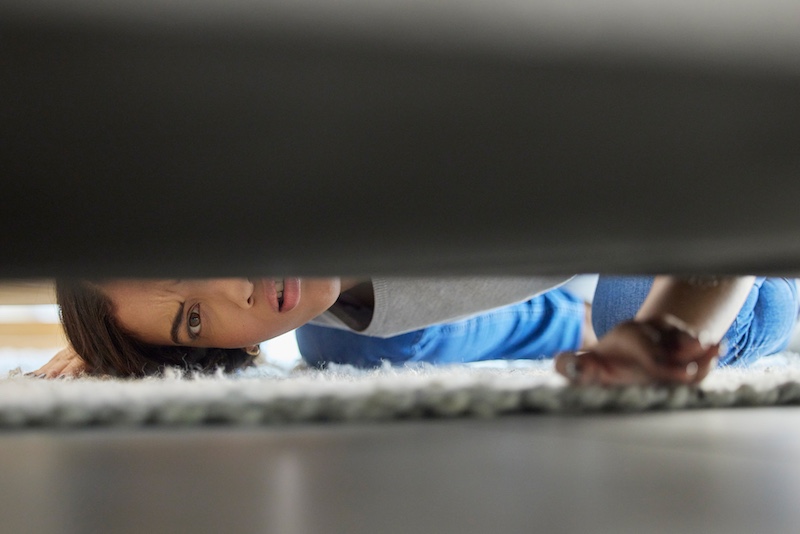
Blog Back What to Do If You Lose a Hearing Aid October 28, 2025 Losing a hearing aid can feel stressful, especially if you rely on it every day to stay connected and engaged. Whether it slipped out during a walk, got misplaced at home, or was accidentally damaged, the good news is that there are clear steps you can take to recover or replace your hearing aid as quickly as possible. Here’s what to do if you lose a hearing aid and how your hearing care provider can help. Stay Calm and Start Your SearchBefore assuming your hearing aid is gone for good, take a deep breath and retrace your steps. Most hearing aids are small and easy to overlook, especially if they’ve blended into carpet or furniture. Check common areas: Look in the bathroom, bedroom, car, or wherever you usually remove your hearing aids. Inspect clothing and bedding: Hearing aids can easily fall into pockets, under pillows, or between couch cushions. Use the “find my hearing aid” feature: Many modern hearing aids connect to smartphone apps that can help you locate them using Bluetooth tracking or show their last known location. If you wear both hearing aids, handle the remaining one carefully. It can help your hearing care provider identify the model and make replacing the lost one easier. Contact Your Hearing Care ProviderIf your search doesn’t turn up the missing device, your next step should be to contact your hearing care practice. Your provider can help determine whether your hearing aid can be replaced or repaired under warranty. They’ll also guide you through ordering a replacement if needed.Your hearing specialist may also have records of your hearing aid’s make, model, and settings. This can save you time and ensure your replacement matches your exact hearing prescription. Check for Insurance or Loss CoverageMany hearing aids come with a manufacturer’s warranty or optional loss and damage coverage. If you purchased such a plan, you may only need to pay a small deductible to receive a replacement.If you don’t have coverage, your hearing care provider can discuss your options. These might include purchasing a replacement hearing aid or upgrading to a newer model with better features and improved tracking options. Prevent Future LossOnce you’ve replaced your hearing aid, it’s worth taking a few steps to reduce the chances of losing it again. Create a routine: Store your hearing aids in the same safe spot each night, ideally in a case or charging station. Use retention accessories: Small clips or cords can help secure hearing aids, especially during exercise or outdoor activities. Enable tracking features: If your hearing aids connect to an app, keep the “find my hearing aid” function activated. Schedule regular cleanings and checks: Your provider can ensure your hearing aids fit properly and stay comfortable. This reduces the likelihood they’ll slip out unnoticed. We’re Here to HelpLosing a hearing aid doesn’t have to mean losing your connection to the world around you. At our practice, we are here to help you through every step, from locating your device to getting a replacement quickly. If you’ve lost a hearing aid or need assistance, please do not hesitate to contact us. We’ll help you get back to hearing your best as soon as possible. What is Listening Fatigue?Listening fatigue occurs when the brain has to work extra hard to process sounds and understand speech. Normally, hearing should feel effortless. However, when hearing is reduced or sound quality is unclear, the brain must u201cfill in the gapsu201d to make sense of conversations and surrounding noises. This constant effort can become mentally draining over time. People with listening fatigue often describe feeling tired, stressed, irritable, or unable to focus after social interactions or noisy environments. Even simple conversations may feel exhausting by the end of the day. Listening fatigue is not simply u201cbeing tired.u201d It is a real cognitive strain caused by the increased mental energy needed to hear and understand speech. Who Is Most Likely to Experience Listening Fatigue?Listening fatigue can affect people of all ages, but it is especially common among individuals with hearing challenges. Some groups that are more likely to experience it include: People with untreated hearing loss Individuals who work in noisy environments Older adults with age-related hearing changes People who struggle to hear in crowds or group conversations Children and students with hearing difficulties Individuals with hearing aids that are outdated or improperly adjusted Even mild hearing loss can contribute to listening fatigue. In many cases, people may not realize their hearing is the issue. Instead, they may assume they are simply stressed, distracted, or overly tired. Signs of Listening FatigueListening fatigue can show up in several ways, including: Feeling exhausted after conversations Difficulty concentrating Trouble remembering details from discussions Increased frustration or irritability Avoiding social situations Headaches or mental fog after noisy activities Over time, listening fatigue may lead some people to withdraw from social interactions because conversations feel too difficult or tiring. How to Manage Listening FatigueThe good news is that listening fatigue can often be improved with the right support and strategies. Schedule a Hearing EvaluationThe first step is identifying whether hearing loss may be contributing to the problem. A comprehensive hearing test can determine if hearing changes are present and help guide treatment options. Consider Hearing AidsModern hearing aids can reduce listening effort by making speech clearer and easier to understand. Many devices also include advanced features designed to reduce background noise and improve communication in challenging environments. Take Listening BreaksJust as your body needs rest after physical activity, your brain benefits from short breaks from demanding listening situations. Stepping into a quiet space for a few minutes can help reduce mental strain. Reduce Background NoiseWhenever possible, lower competing noise by turning off televisions, moving to quieter spaces, or choosing less crowded restaurants for conversations. Practice Healthy Communication HabitsFace the person speaking, maintain eye contact, and ask others to speak clearly rather than loudly. Good lighting and visual cues can also… Continue reading What to Do If You Lose a Hearing Aid
Fire Alarms and Fire Safety for People with Hearing Loss
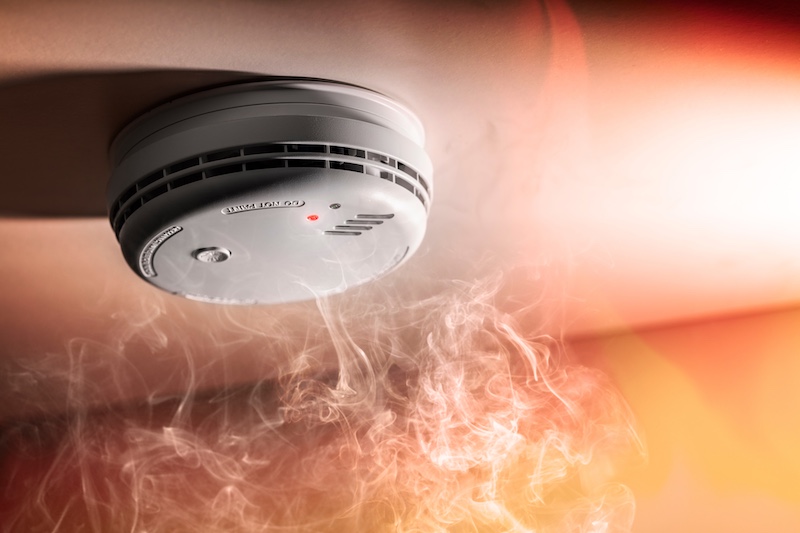
Blog Back Fire Alarms and Fire Safety for People with Hearing Loss October 21, 2025 Fire safety is essential for everyone, but for individuals with hearing loss, traditional smoke alarms may not provide the timely alerts needed in an emergency. Fortunately, there are specialized fire safety devices and strategies designed to ensure safety and peace of mind for people with hearing loss. Here’s what you should know about fire alarms and fire safety solutions that can help keep you and your loved ones protected. Why Standard Fire Alarms May Not Be EnoughTraditional fire alarms rely on loud, high-pitched sounds to alert people to danger. For individuals who are deaf or have significant hearing loss—especially when sleeping without hearing aids or cochlear implants—these alarms may not be effective. Even those with mild to moderate hearing loss might struggle to hear alarms over background noise or from another room. This delay in awareness can make a critical difference during a fire emergency. Specialized Fire Alarms for People with Hearing LossThankfully, modern technology has made it easier to create fire alarm systems that meet the needs of people who are hard of hearing or deaf. Here are the most common and effective types: Strobe Light AlarmsThese alarms use bright, flashing lights to visually alert you when smoke or fire is detected. They are ideal for individuals who are awake and can see the flashes clearly. Strobe alarms should be installed in all main living areas and bedrooms for the best coverage. Vibration AlarmsDesigned to wake sleepers, vibration alarms can be placed under a pillow or mattress. When smoke or fire is detected, the alarm vibrates powerfully to wake the individual. These systems are often paired with strobe lights for both tactile and visual alerts. Smart Home Fire Safety SystemsSome smart home systems now integrate with specialized smoke detectors to send alerts to your smartphone or smartwatch. These notifications can include flashing lights, vibration cues, and emergency instructions, providing an additional layer of safety and convenience. Combination SystemsThe most effective fire safety setups often use a combination of strobe, vibration, and sound alerts. This multi-sensory approach ensures that everyone in the household, regardless of hearing level, is warned in case of fire. Additional Fire Safety Tips for People with Hearing LossBeyond installing the right alarms, there are several important steps you can take to stay safe: Test alarms regularly. Make sure batteries are charged and systems are functioning properly every month. Place alarms strategically. Install devices in bedrooms, hallways, kitchens, and near exits. Create an emergency plan. Practice fire drills with your family or roommates so everyone knows what to do. Alert local emergency services. Some fire departments keep a record of residents with hearing impairments, allowing them to tailor their response during emergencies. Educate visitors. Make sure guests know how your alarm system works and what to do if it activates. Peace of Mind Through PreparednessFire safety doesn’t have to be stressful. With the right equipment and a solid plan, you can protect your home and loved ones effectively. If you or someone you care for has hearing loss, talk to your hearing care provider about additional assistive technology options that can integrate with your lifestyle. At our hearing practice, we’re dedicated to helping our patients live safely and confidently with hearing loss. If you’d like more information about hearing-friendly safety solutions, we welcome you to contact us today. Share :
What to Do If a Bug Gets Stuck in Your Ear

Blog Back What to Do If a Bug Gets Stuck in Your Ear September 23, 2025 Finding out that a bug has crawled into your ear can be a very unsettling experience. While it’s not very common, it does happen—and knowing what to do (and what not to do) can make all the difference in keeping your ear safe and comfortable. In this blog post, we will discuss the steps you should take if a bug is stuck in your ear. How to Tell If a Bug Is in Your EarWhen a bug becomes trapped in the ear canal, you may notice: A sensation of movement or fluttering inside the ear Sudden discomfort, pain, or pressure Buzzing or clicking sounds Difficulty hearing clearly from that ear These sensations are typically very distinct from other ear issues like earwax buildup or infections. This makes it easier to suspect that something unusual, like a bug, might be the cause. What to Do If You Suspect a Bug in Your EarIf you think a bug is in your ear, stay calm. Panicking or poking around in your with objects can make the situation worse. Here are some safe steps you can take: Stay still and avoid inserting anything into your ear. Cotton swabs, tweezers, or other objects can push the bug deeper and potentially cause injury. Tilt your head so the affected ear is facing upward. Sometimes, the bug may crawl or fall out on its own. Use gravity first. If the bug doesn’t move, gently tilt your head so the affected ear is facing downward and give it a light shake. Try a little warm (not hot) mineral oil or baby oil. If the insect is still inside and alive, adding a few drops of warm oil into the ear canal may help immobilize or suffocate it, making it easier to flush out later. Do not attempt this if you have a history of ear surgery, eardrum perforation, or ear tubes, as oil can cause complications. Flush with warm water. After a few minutes, gently rinsing the ear with warm water using a bulb syringe may help remove the bug. Again, only attempt this if you’re sure your eardrum is intact. When to Seek Professional HelpIf you’re unable to remove the bug on your own, or if you experience pain, bleeding, dizziness, or hearing changes, seek medical attention promptly. A hearing professional has the right tools and expertise to safely remove the insect without causing damage to the delicate structures of the ear. Other Objects That Can Get Stuck in the EarIt’s not just insects—children and even adults sometimes get small objects lodged in the ear canal. Common culprits include: Beads, buttons, or small toys (in children) Pieces of cotton from swabs Food particles or seeds If something other than a bug gets stuck in your ear, the same rules apply: do not attempt to remove it with sharp tools or cotton swabs. Instead, seek professional help to avoid pushing the object deeper or causing injury./p> Final ThoughtsWhile finding a bug in your ear can be alarming, the key is to remain calm and avoid attempting unsafe removal methods. Simple steps like tilting your head, using oil, or flushing with water may help, but professional care is often the safest solution. To learn more, we invite you to contact our hearing practice today. Share :
Hearing Loss in School Children: Why Early Detection Matters
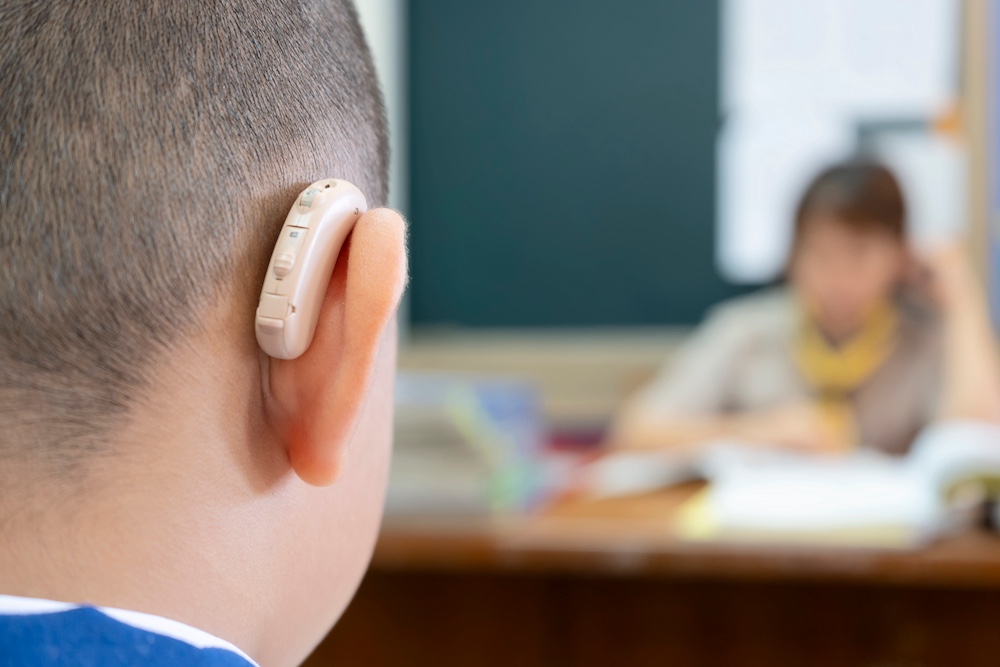
Blog Back Hearing Loss in School Children: Why Early Detection Matters September 16, 2025 For children, hearing is the foundation for learning, communication, and social interaction. In the classroom, children rely heavily on their ability to listen, whether it’s following directions, engaging in group activities, creating friendships, or building strong reading and language skills. When hearing loss goes undiagnosed, it can affect not only academic performance but also confidence and social development. In this blog post, we will discuss the importance of detecting and treating hearing loss in children, especially in relation to academic success. Why It’s Important to Treat Hearing Loss EarlyEven a mild degree of hearing loss can create challenges in a busy classroom environment. Children may miss parts of lessons, struggle to keep up with peers, or become frustrated when they cannot follow conversations. Left untreated, hearing loss can contribute to language delays, learning difficulties, and even behavioral concerns. The good news is that with early identification and proper treatment, children with hearing loss can succeed in school and thrive socially. Options such as hearing aids, assistive listening devices, or individualized classroom accommodations can make a significant difference in a child’s educational journey. Common Signs of Hearing Loss in ChildrenBecause children don’t always realize they have difficulty hearing, parents and teachers play an important role in recognizing the signs. Some indicators that a child may have hearing loss include: Trouble following instructions, especially in noisy settings Frequently asking for repetition (“What?” or “Huh?”) Turning up the volume on devices higher than normal Speech or language delays compared to peers Difficulty keeping up academically, particularly with reading or spelling Appearing inattentive, frustrated, or withdrawn in group situations If you notice one or more of these behaviors, it may be time to schedule a hearing evaluation. What to Do if You Suspect Hearing Loss in Your ChildIf you think your child may be experiencing hearing loss, here are the steps to take: Schedule a professional hearing evaluation – A hearing professional can assess your child’s hearing and determine the type and degree of hearing loss. Communicate with teachers – Educators can share valuable insights into how your child responds in a classroom setting. They can also offer strategies for accommodating and supporting your child. Explore treatment options – Depending on the results, solutions may include hearing aids, medical treatment for underlying issues, or classroom support strategies. Provide support at home – Speak clearly, reduce background noise, and make sure your child feels comfortable letting you know when they have trouble hearing. Helping Your Child SucceedHearing loss does not have to limit your child’s potential. With the right professional care and support, children can excel academically, stay engaged socially, and grow with confidence. If you have concerns about your child’s hearing, our experienced team is here to help. We provide comprehensive hearing evaluations and personalized treatment options to support your child’s success both in and out of the classroom. We invite you to contact us today to learn more and to set up an appointment. Share :