
Blog Back 7 Tips to Keep Your Hearing Aids Happy and Healthy This Season February 18, 1025 Winter can be a wonderland, but the chilly temperatures and dry air can pose unique challenges for hearing aid users. Just like we need to adjust our routines to stay healthy during the colder months, our hearing aids require a little extra TLC to ensure optimal performance and longevity. Here are some essential tips for keeping your hearing aids in top shape this season. Battery Care in the Cold: Cold temperatures can significantly impact battery performance. Batteries may drain faster in the winter, leaving you with unexpected power outages. Keep a fresh supply of batteries on hand and store them at room temperature, not in extreme cold or heat. Avoid leaving your hearing aids in your car overnight, as the fluctuating temperatures can be particularly damaging to batteries and the devices themselves. Protect from Moisture (Even When It’s Dry): While winter air is often dry, snow, sleet, and even just coming in from the cold can introduce moisture to your hearing aids. Moisture is a major enemy of hearing aid electronics. Use a hearing aid dehumidifier or drying kit regularly, especially after being outdoors. These kits help remove excess moisture and prevent corrosion. Also, be sure to thoroughly dry your hands before handling your hearing aids. Be Mindful of Hats and Scarves: While staying warm is essential, be mindful of how your winter accessories interact with your hearing aids. Hats and scarves can sometimes interfere with the microphone or create feedback. Make sure your hearing aids are properly positioned and adjusted to minimize these issues. If you wear earmuffs, ensure they aren’t pressing too tightly against the hearing aids. And when you remove your hat or scarf, make sure they don’t catch on your hearing aids and pull them off. Regular Cleaning Is Key: Just like any other electronic device, hearing aids accumulate dirt and debris over time. Winter can bring its own set of challenges, like dust from dry indoor air and potential build-up from hats and scarves. Regularly clean your hearing aids according to your hearing professional’s instructions. Use a soft, dry cloth to wipe them down daily. Pay special attention to removing any wax or debris from the microphone and receiver openings. Don’t Forget Your Hearing Specialist: Winter is a great time to schedule a check-up with your hearing specialist. They can clean your hearing aids professionally, check for any potential issues, and make any necessary adjustments. They can also provide personalized advice on how to best care for your hearing aids during the winter months. Storage Solutions: When you’re not wearing your hearing aids, store them in their case in a dry, room-temperature environment. Avoid storing them in the bathroom, in cold places like your car, or near any sources of heat or moisture. Heeding the Signs: Be aware of any changes in your hearing aid performance. If you notice any unusual sounds, decreased volume, or discomfort, contact your hearing specialist immediately. Don’t wait for the problem to worsen. By following these simple tips, you can ensure your hearing aids stay in excellent condition throughout the winter and provide you with clear, comfortable hearing all season long. Don’t let the winter blues affect your ability to connect with the world around you. A little extra care will go a long way in preserving your hearing health and enjoying all the sounds of the season. We invite you to contact us today to learn more about how to take care of your hearing aids in the winter. Share :
Author: sitemanager
The Silent Thief: How Stress Can Steal Your Hearing
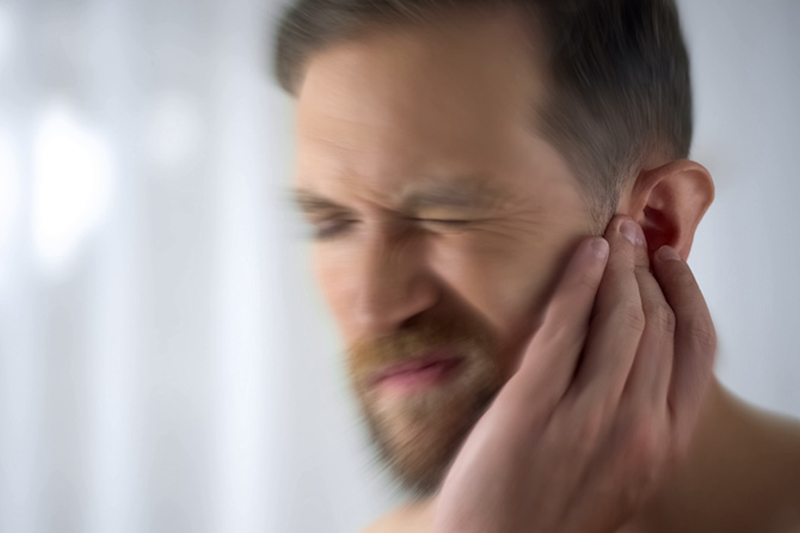
Blog Back The Silent Thief: How Stress Can Steal Your Hearing February 10, 2025 In today’s fast-paced world, stress has become an unwelcome companion for many. We juggle work, family, and personal commitments, often leaving little time for relaxation. While we’re all aware of the mental and emotional toll of stress, few realize its profound impact on our physical health, particularly our hearing. Yes, you read that right. High stress can contribute to both hearing loss and tinnitus, a condition characterized by a persistent ringing or buzzing in the ears. Let’s delve into the science behind this connection and explore ways to protect your precious sense of hearing. The Body’s Stress Response and Your EarsWhen we experience stress, our bodies kick into “fight or flight” mode. This triggers the release of hormones like adrenaline and cortisol, which can have several detrimental effects on our hearing: Reduced Blood Flow: Stress can constrict blood vessels, reducing blood flow to the inner ear. The delicate hair cells within the cochlea, responsible for converting sound waves into electrical signals, rely on a constant supply of oxygen and nutrients from the blood. When this supply is compromised, these cells can become damaged or die, leading to hearing loss. Increased Inflammation: Chronic stress can lead to persistent inflammation throughout the body, including the inner ear. This inflammation can damage the delicate structures within the ear, contributing to both hearing loss and tinnitus. Exacerbated Tinnitus: For those already experiencing tinnitus, stress can worsen the perception of the phantom sounds. The increased awareness of bodily sensations during stress can make the ringing or buzzing seem louder and more bothersome. The Vicious Cycle of Stress and Hearing ProblemsThe relationship between stress and hearing problems can become a vicious cycle. Hearing loss and tinnitus can be incredibly distressing, leading to increased anxiety and stress. This, in turn, can further exacerbate the hearing issues, creating a feedback loop that’s difficult to break. Protecting Your Hearing in a Stressful WorldWhile we can’t eliminate stress entirely, we can take steps to manage it and protect our hearing: Stress Management Techniques: Incorporate stress-reducing practices into your daily routine. This could include meditation, yoga, deep breathing exercises, or simply spending time in nature. Healthy Lifestyle: A balanced diet, regular exercise, and sufficient sleep are crucial for overall health, including hearing health. These habits can help manage stress levels and improve blood flow to the ears. Noise Awareness: Be mindful of your exposure to loud noises, as this can further damage the delicate hair cells in the inner ear. Wear hearing protection when necessary, and take breaks from noisy environments. Seek Professional Help: : If you’re experiencing hearing loss or tinnitus, consult a hearing specialist for a comprehensive evaluation. Early detection and intervention can help prevent further damage and improve your quality of life. Don’t Let Stress Silence Your WorldStress can have a significant impact on your hearing health, but it doesn’t have to steal your sense of hearing. By taking proactive steps to manage stress and protect your ears, you can ensure a lifetime of rich auditory experiences. Remember, your hearing is a precious gift – don’t let stress take it away. For more information about the connection between stress and hearing loss, we invite you to contact our practice today. Share :
6 Impressive Health Benefits of Using Hearing Aids
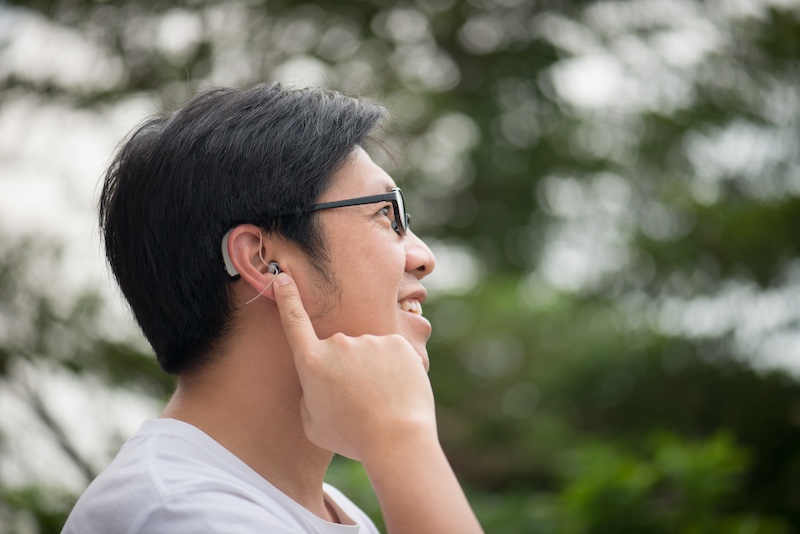
Blog Back 6 Impressive Health Benefits of Using Hearing Aids January 14, 2025 Hearing loss affects millions of people worldwide, yet it remains one of the most overlooked health conditions. For many, hearing aids are life-changing devices that not only restore the ability to hear, but also provide a range of health benefits that extend far beyond the ears. Understanding the advantages of using hearing aids is essential for improving quality of life and overall well-being. Here are six impressive health benefits of using hearing aids to treat hearing loss. Improved Communication and RelationshipsHearing aids help restore the ability to hear conversations clearly, enabling individuals to once again communicate effectively with friends, family, and colleagues. This enhanced communication reduces misunderstandings, frustration, and social isolation, fostering stronger relationships and improving emotional health. Reconnecting with loved ones can be one of the most rewarding aspects of wearing hearing aids. Cognitive Health BenefitsHearing loss has been linked to an increased risk of cognitive decline and dementia. When the brain struggles to process sounds due to hearing impairment, it must work harder, which can strain cognitive resources. Hearing aids alleviate this burden by amplifying sounds and making them clearer. This allows the brain to focus on interpreting and understanding, rather than straining to listen. Studies suggest that using hearing aids can help preserve cognitive function and reduce the risk of dementia over time. Enhanced Mental HealthLiving with untreated hearing loss often leads to feelings of frustration, anxiety, and depression. Social withdrawal is a common consequence, as individuals may avoid conversations or public events where they struggle to hear. Hearing aids can significantly improve mental health by reducing these emotional stressors. With restored hearing, individuals regain confidence and are more likely to engage in social activities, leading to a happier and more fulfilling life. Better Balance and Reduced Risk of FallsHearing plays a crucial role in spatial awareness and balance. People with hearing loss are at a higher risk of falls, which can lead to serious injuries. Hearing aids help individuals stay more attuned to their surroundings by amplifying sounds and providing auditory cues that improve balance and coordination. This added sense of awareness contributes to greater safety and mobility. Improved Physical HealthThe ability to hear alarms, sirens, and other warning signals is critical for personal safety. Hearing aids ensure that individuals can respond promptly to these kinds of alerts, reducing the risk of accidents and injuries. Additionally, hearing aids encourage users to remain active and engaged in their communities, which promotes physical activity and overall health. A Boost to Overall Quality of LifeBy addressing the challenges associated with hearing loss, hearing aids empower individuals to lead more independent and enjoyable lives. From participating in conversations to enjoying music and nature sounds, hearing aids open up a world of sensory experiences that were once difficult to access. Improved hearing contributes to a greater sense of well-being and vitality. Hearing aids are more than just tools for better hearing; they are gateways to improved health and wellness. From preserving cognitive function and enhancing mental health to promoting safety and social engagement, the benefits are undeniable. For those living with hearing loss, taking the step to use hearing aids can transform life in meaningful and lasting ways. Embracing this technology is not only an investment in your hearing, but also in your overall health and happiness. For more information about the health benefits of using hearing aids to treat hearing loss, we invite you to contact our practice today. Share :
Understanding Noise Pollution: Causes, Effects, and Solutions

Blog Back Understanding Noise Pollution: Causes, Effects, and Solutions January 7, 2025 In our increasingly industrialized and urbanized world, noise pollution has become a significant concern. Defined as unwanted or excessive sound that disrupts the natural balance of the environment, noise pollution is more than just a nuisance; it’s a growing threat to human health and well-being, as well as the health of ecosystems. What Is Noise Pollution?Noise pollution occurs when sounds in the environment exceed normal levels, disrupting daily activities and causing adverse effects. Common sources include traffic, construction, industrial activities, loudspeakers, airplanes, and even household appliances. Unlike other forms of pollution, noise doesn’t accumulate in the environment over time, but its immediate impacts can be severe and far-reaching. Effects of Noise Pollution Health Impacts: Prolonged exposure to high noise levels can lead to hearing loss, stress, hypertension, sleep disturbances, and an increased risk of heart disease. Even short-term exposure can disrupt concentration and lead to irritability. Cognitive Development: For children, exposure to chronic noise can impair cognitive development, particularly affecting learning and memory. Schools near highways or airports often report lower academic performance due to constant noise. Wildlife: Animals are not immune to noise pollution. It interferes with their communication, mating rituals, and ability to detect predators. Marine life, in particular, is vulnerable due to noise from shipping and sonar activities. Community Impact: Noise pollution can erode community quality of life. It disrupts social interactions, reduces productivity, and creates tension among neighbors. How to Avoid and Mitigate Noise Pollution Urban Planning: Cities can implement better zoning laws to separate industrial zones from residential areas. Establishing green belts and buffer zones can also absorb and deflect noise. Technology: Soundproofing materials, quieter machinery, and electric vehicles can help reduce noise emissions. Noise barriers along highways and railways are another effective solution. Legislation: Governments play a crucial role in regulating noise levels. Imposing limits on construction hours, industrial operations, and public events can significantly reduce noise pollution. Community Actions: Individuals and communities can take steps to minimize noise. Simple actions like turning down the volume, fixing noisy appliances, and opting for quieter equipment make a difference. Personal Habits: Using noise-canceling headphones, planting trees around homes, and creating quiet zones in workplaces can help individuals manage noise exposure. You can also lower the volume on your own devices and wear earplugs when necessary to protect your hearing. A Call to ActionNoise pollution may not be as visible as air or water pollution, but its effects are just as detrimental. Addressing this issue requires collective effort from governments, industries, and individuals. By making thoughtful changes in urban design, adopting advanced technologies, and encouraging responsible behavior, we can create quieter, healthier spaces for all. As awareness of noise pollution grows, so does our ability to combat it effectively. A harmonious balance between development and tranquility is not only possible but essential for the well-being of current and future generations. For more information about noise pollution and how to avoid it, we invite you to contact our hearing office today. Share :
Hosting a Holiday Dinner for Guests with Hearing Loss

Blog Back Hosting a Holiday Dinner for Guests with Hearing Loss December 17, 2024 The holidays are a time for connection, laughter, and sharing meals with loved ones. However, for guests with hearing loss, navigating the typical bustling and noisy holiday environment can be overwhelming and isolating. As a host, you can make your gathering more inclusive and enjoyable with a few thoughtful adjustments. Here’s how to create a holiday dinner that welcomes everyone to the table. Create a Hearing-Friendly LayoutThe setup of your dining and social areas plays a crucial role in communication. Arrange seating in a way that promotes face-to-face interactions, such as a circular or square table, where everyone can see each other clearly. Avoid long tables where guests at opposite ends may struggle to hear. If possible, ensure the room is well-lit, as this helps those with hearing loss to lip-read and pick up on visual cues. Reduce Background NoiseBackground noise can be a significant barrier for individuals with hearing loss. Minimize distractions by keeping music or television at a low volume—or turning them off altogether during dinner. If you have a larger gathering, consider hosting it in a room with soft furnishings like carpets and curtains, which help absorb sound and reduce echo. For large groups, using a microphone or sound system for any speeches or announcements can also help everyone feel included. Set the Stage for Clear CommunicationEncourage guests to speak one at a time during conversations, especially at the dinner table. This not only makes it easier for everyone to follow the discussion, but also creates a more engaging and respectful environment. As the host, you can model this behavior and gently guide conversations to ensure no one is left out. Avoid talking over each other or across the room, as this can make it nearly impossible for someone with hearing loss to follow along. Provide Visual CuesIncorporate visual aids where possible. For instance, write out the evening’s menu on a chalkboard or print it for each guest. If you’re playing games, choose options that rely more on visuals than audio, such as charades or Pictionary. For group activities, be sure to explain rules clearly and ensure everyone is aware of any visual signals being used. Be Patient and InclusiveHearing loss can make social situations tiring, so create a relaxing environment where guests feel comfortable asking for accommodations or taking breaks. Check in with your guests discreetly to ensure they’re comfortable. Avoid shouting or exaggerating your speech, as this can make lip-reading more difficult. Instead, speak naturally and at a moderate pace. Consider Assistive TechnologyIf your guest uses hearing aids, they may benefit from assistive devices like personal amplifiers or loop systems that amplify sound. You can also explore apps that transcribe speech in real-time for smartphones or tablets. Being proactive about these options shows your dedication to making your event inclusive. Hosting a holiday dinner that’s friendly to those with hearing loss is all about thoughtful preparation and empathy. By creating a welcoming space where communication is easy and stress-free, you can ensure that all of your guests, regardless of their hearing abilities, feel valued and included. After all, the true spirit of the holidays lies in making memories together. For more information about making your holiday gatherings friendly to those with hearing loss, we welcome you to contact our hearing practice today. Share :
6 Thoughtful Gift Ideas for People with Hearing Loss

Blog Back 6 Thoughtful Gift Ideas for People with Hearing Loss December 10, 2024 Finding the perfect gift for a loved one with hearing loss can be an opportunity to offer something both meaningful and practical. Whether you’re looking for technology to enhance their everyday life or something to show you care about their unique experiences, there are plenty of options to choose from. Here’s a guide to thoughtful gift ideas tailored to people with hearing loss. Assistive Technology for Enhanced CommunicationModern technology offers incredible tools to improve communication for people with hearing loss. If your loved one with hearing loss does not already own one of these tools, they may enjoy receiving it as a gift. Personal Amplifiers: These portable devices amplify sounds, making conversations clearer, especially in noisy environments. Bluetooth Hearing Aid Accessories: Many hearing aids can connect to phones, TVs, and other devices via Bluetooth. Accessories like streaming adapters enhance this connectivity, making it easier to enjoy movies, phone calls, and music. Real-Time Captioning Apps or Devices: Gifts like live transcription services or apps (e.g., Otter.ai) can help with meetings, lectures, or casual conversations. Some standalone devices also provide instant captions for phone calls or in-person dialogue. Alarm Clocks and Alerting SystemsTraditional alarms often rely on sound, which may not be effective for those with hearing loss. Instead, consider: Vibrating Alarm Clocks: These devices feature bed shakers or flashing lights to wake users without sound. Alerting Systems: These systems pair with home appliances, such as doorbells or smoke detectors, to provide visual or vibrating alerts. These gifts offer both practicality and peace of mind. Books and Media About Hearing LossFor a more personal touch, consider books or media that celebrate or explore the experiences of people with hearing loss. Some options include: Memoirs and Stories: Books like Hear & Beyond by Shari Eberts and Gael Hannan offer valuable insights and relatable stories. Hearing-Friendly Films and Documentaries: A curated collection of movies or shows with excellent captions or themes related to hearing loss can be a unique gift. Stylish and Functional AccessoriesHearing aids and cochlear implants are essential tools, but they don’t have to be boring! Consider accessories that add flair and personality: Decorative Hearing Aid Skins or Charms: Fun, colorful skins or charms allow users to express their style. Customized Cases: Protective and stylish cases for hearing aids or implants make a thoughtful and practical gift. Relaxation and Comfort GiftsPeople with hearing loss may experience “listening fatigue” from the extra effort required to understand conversations. Help them unwind with gifts like: Noise-Canceling Headphones: Perfect for enjoying music or audiobooks without interruption. Spa Kits or Massagers: These can help soothe tension and promote relaxation after a long day. Experiences and Community ConnectionsSometimes, the best gifts aren’t things but experiences: Sign Language Classes: If your loved one uses sign language, consider taking a class together to improve communication and show your support. Tickets to Captioned Performances: Many theaters and venues offer captioned or interpreted shows for people with hearing loss. When selecting a gift, consider the recipient’s lifestyle, preferences, and needs. A thoughtful gift that acknowledges their experiences and enhances their life is sure to be appreciated. With the right choice, you’ll not only bring joy to their holiday season but also show how much you care. We welcome you to contact our hearing practice today for more information about gifts for those with hearing loss. Share :