
Blog Back Improving Hearing Accessibility at the Movie Theater June 9, 2024 What Is Microtia?Improving Hearing Accessibility at the Movie TheaterThe magic of cinema lies not only in its captivating visuals but also in its ability to immerse audiences in rich, dynamic soundscapes. However, for individuals with hearing impairments, traditional movie theater experiences can be frustrating and isolating due to inadequate accommodations for hearing accessibility. In this blog post, we’ll explore the importance of enhancing hearing accessibility at the movie theater and discuss various strategies for creating an inclusive and enjoyable experience for all moviegoers. Understanding Hearing Accessibility:Hearing accessibility refers to the provision of accommodations and technologies that enable individuals with hearing impairments to fully engage with auditory content. For movie theaters, this means implementing measures to ensure that everyone, regardless of their hearing abilities, can enjoy the cinematic experience to its fullest. Challenges Faced by Individuals with Hearing Impairments:For individuals with hearing impairments, navigating the movie theater environment can present numerous challenges. Traditional movie sound systems often rely heavily on volume and surround sound effects, making it difficult for those with hearing loss to discern dialogue and important auditory cues. Additionally, background noise from other moviegoers and ambient sounds within the theater can further hinder comprehension for individuals with hearing impairments. Strategies for Enhancing Hearing Accessibility: Closed Captioning Devices:Providing closed captioning devices allows individuals with hearing impairments to read synchronized subtitles while watching the movie. These devices can be either handheld or integrated into the theater’s seating, offering flexibility and convenience for moviegoers. Assistive Listening Systems:Assistive listening systems, such as infrared or FM transmitter systems, transmit audio directly to compatible hearing aids or headphones worn by individuals with hearing impairments. This technology enhances sound clarity and volume, enabling better comprehension of dialogue and audio effects. Open Caption Screenings:Hosting dedicated open caption screenings, where subtitles are permanently displayed on the screen for all viewers to see, ensures accessibility for individuals who rely on visual cues to follow the movie’s dialogue and plot. Looping Systems:Induction loop systems utilize electromagnetic fields to transmit audio signals directly to hearing aids equipped with telecoils. By reducing background noise and enhancing speech clarity, looping systems improve the listening experience for individuals with hearing impairments. Designated Seating Areas:Designating specific seating areas with optimal sightlines and acoustics for individuals with hearing impairments ensures that they can enjoy an unobstructed view of the screen and access clear audio without interference. Promoting Awareness and Education:In addition to implementing hearing accessibility measures, movie theaters can promote awareness and education about the importance of inclusion and accessibility for individuals with hearing impairments. Providing training for staff on how to assist patrons with hearing loss and raising awareness among moviegoers about available accommodations can help create a more inclusive and welcoming environment for all. Enhancing hearing accessibility at the movie theater is not only a matter of legal compliance but also a fundamental aspect of creating an inclusive and enjoyable experience for all moviegoers. By implementing a range of accommodations, including closed captioning devices, assistive listening systems, and open caption screenings, movie theaters can ensure that individuals with hearing loss have equal access to the cinematic experience. Additionally, promoting awareness and education about hearing accessibility helps foster a culture of inclusivity and respect for individuals with diverse needs. With these efforts, we can create movie theaters where everyone can share in the magic of cinema, regardless of their hearing abilities. We welcome you to contact our office today for more information about hearing accessibility at the movie theater. Share :
Author: sitemanager
Understanding Microtia and Atresia: Challenges and Treatment Options
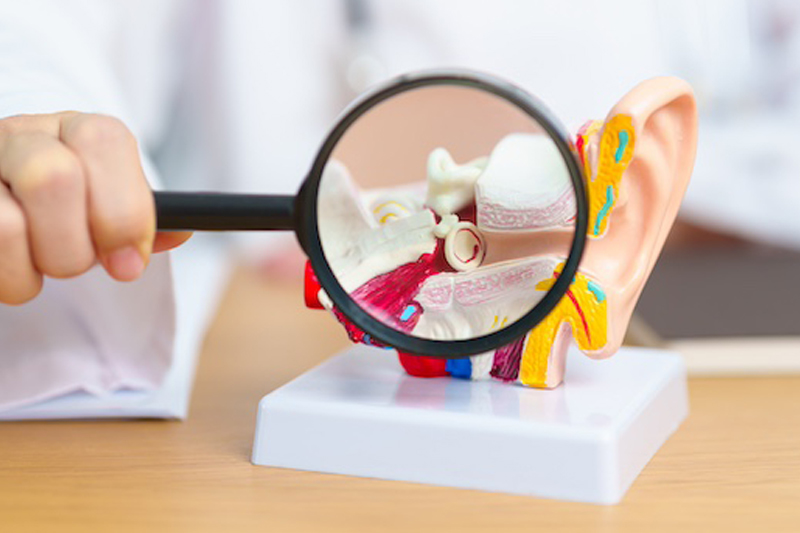
Blog Back Understanding Microtia and Atresia: Challenges and Treatment Options May 22, 2024 Microtia and atresia are congenital conditions that affect the development of the outer ear and ear canal, respectively. While these conditions may vary in severity, they can significantly impact hearing and overall quality of life for affected individuals. In this blog post, we’ll explore what microtia and atresia are, their causes, challenges they present, and available treatment options. What Is Microtia?Microtia is a congenital condition characterized by underdevelopment or absence of the external ear (pinna). It can range from mild to severe, with some cases involving only small differences in ear shape, while others may result in a complete absence of the external ear. Microtia can occur unilaterally (affecting one ear) or bilaterally (affecting both ears). What Is Atresia?Atresia refers to the absence or abnormal narrowing of the ear canal, which can impede the transmission of sound waves to the middle and inner ear. This can lead to conductive hearing loss, as sound is unable to travel effectively through the ear canal to the eardrum and ossicles (the tiny bones in the middle ear). Causes of Microtia and AtresiaThe exact causes of microtia and atresia are not always known, but they are believed to result from a combination of genetic and environmental factors. In some cases, microtia and atresia may occur as isolated anomalies, while in others, they may be associated with genetic syndromes or maternal factors such as exposure to certain medications or infections during pregnancy. Challenges Presented by Microtia and AtresiaIndividuals with microtia and atresia may face various challenges, including: Hearing Loss:Conductive hearing loss is a common consequence of atresia, as sound is unable to travel efficiently through the ear canal to the middle and inner ear. This can impact speech and language development, academic performance, and social interactions. Cosmetic Concerns: Psychosocial Impact:The visible difference associated with microtia and atresia can have psychosocial implications, including feelings of isolation, low self-esteem, and difficulty forming relationships. Treatment Options for Microtia and AtresiaWhile microtia and atresia cannot always be prevented, there are several treatment options available to address their associated challenges: Hearing Aids:For individuals with conductive hearing loss due to atresia, hearing aids may be recommended to amplify sound and improve auditory function. However, hearing aids may not always provide sufficient benefit, particularly in cases of severe atresia or associated middle ear anomalies. Bone-Conduction Devices:Bone-conduction hearing devices, such as bone-anchored hearing aids (BAHAs) or osseointegrated implants, bypass the ear canal and directly stimulate the inner ear through vibrations transmitted via the skull bone. These devices can be beneficial for individuals with atresia or other conditions that affect the ear canal. Surgical Reconstruction:Surgical reconstruction of the external ear (auricular reconstruction) may be considered for individuals with microtia who desire improved cosmetic appearance. Various techniques, including autologous cartilage grafting and prosthetic ear implants, can be used to create a more natural-looking ear. Atresia Repair Surgery:Surgical procedures such as canaloplasty or canalplasty may be performed to reconstruct or widen the ear canal in cases of atresia, allowing for improved sound transmission to the middle and inner ear. Microtia and atresia are congenital conditions that can present significant challenges for affected individuals, including hearing loss and cosmetic concerns. However, with advancements in medical technology and surgical techniques, there are various treatment options available to address these challenges and improve the quality of life for individuals with microtia and atresia. By raising awareness and promoting access to comprehensive care, we can support individuals affected by these conditions and help them thrive in all aspects of life. To learn more about microtia and atresia, we welcome you to contact our office today. Share :
How Spring Allergies Can Impact Your Auditory Health

Blog Back When Infections Affect Your Hearing: The Link between Illness and Hearing Loss June 9, 2026 It’s easy to take your hearing for granted—until something changes. While hearing loss and tinnitus (ringing in the ears) can develop for many reasons, one often-overlooked cause is infection. Certain bacterial and viral infections can damage delicate parts of the ear or auditory nerve, leading to temporary or even permanent hearing changes. Understanding which infections can impact your hearing and how to protect yourself can make a big difference in long-term ear health. Common Infections Linked to Hearing Loss and Tinnitus Middle Ear Infections (Otitis Media) Middle ear infections are especially common in children but can affect adults, too. These infections occur when fluid builds up behind the eardrum, often following a cold or upper respiratory infection. The trapped fluid can reduce sound transmission, leading to temporary hearing loss or a “muffled” sensation. Chronic or repeated ear infections can cause long-term damage to the middle ear structures, increasing the risk of permanent hearing loss. Inner Ear Infections (Labyrinthitis or Vestibular Neuritis) When an infection spreads to the inner ear, it can affect both hearing and balance. Labyrinthitis, which is an infection of the inner ear’s labyrinth, can cause dizziness, vertigo, and hearing loss. It is sometimes accompanied by tinnitus as well. Viral infections such as the flu, measles, or herpes viruses are common culprits. In some cases, damage to the auditory nerve may result in lasting hearing loss. Meningitis Bacterial meningitis is a serious infection that causes inflammation around the brain and spinal cord. Unfortunately, it can also damage the auditory nerve or inner ear structures, making hearing loss one of its most common complications. Children who recover from meningitis are often screened for hearing issues, since early intervention can greatly improve long-term outcomes. Measles, Mumps, and Rubella (MMR) Before widespread vaccination, these viral infections were major causes of hearing loss in children. The measles and mumps viruses can attack the inner ear, leading to sudden or permanent hearing loss. Thanks to vaccines, these cases are now rare, but unvaccinated individuals remain at risk. COVID-19 and Other Viral Infections Recent studies suggest that COVID-19 and other respiratory viruses may, in some cases, cause inflammation in the auditory system that results in temporary hearing loss or tinnitus. Although research is ongoing, these findings remind us that viral infections can have unexpected effects on hearing health. The following have also been linked to hearing loss: Cerebral malaria (Plasmodium falciparum) Cytomegalovirus Ebola virus Epstein-Barr virus Group B streptococcus Haemophilus influenzae Herpes simplex Human immunodeficiency virus Lassa virus Lyme disease (Borrelia burgdorferi) Lymphocytic choriomeningitis virus Non-polio enteroviruses Pneumococcal disease (Streptococcus pneumoniae) Respiratory syncytial virus Rubella Syphilis Toxoplasmosis Varicella zoster virus West Nile virus Zika virus Recognizing the Symptoms If you notice symptoms like ear pain, fullness, drainage, dizziness, or a sudden change in hearing, it’s important to see a healthcare provider promptly. Tinnitus or hearing loss that appears after an illness should never be ignored. Early treatment can often prevent permanent damage. Protecting Your Hearing Stay up to date on vaccines, including MMR, flu, and meningitis shots. Treat ear and sinus infections early to prevent complications. Avoid inserting objects or cotton swabs into the ear canal, which can worsen infection or injury. Schedule regular hearing checkups, especially after severe illness or ear infections. At our hearing practice, our team specializes in diagnosing and treating hearing loss and tinnitus related to infections and other causes. If you’ve experienced recent hearing changes or persistent ringing in your ears, we’re here to help you find answers and restore your hearing health. We welcome you to contact us today for more information and to schedule an appointment. What is Listening Fatigue? Listening fatigue occurs when the brain has to work extra hard to process sounds and understand speech. Normally, hearing should feel effortless. However, when hearing is reduced or sound quality is unclear, the brain must u201cfill in the gapsu201d to make sense of conversations and surrounding noises. This constant effort can become mentally draining over time. People with listening fatigue often describe feeling tired, stressed, irritable, or unable to focus after social interactions or noisy environments. Even simple conversations may feel exhausting by the end of the day. Listening fatigue is not simply u201cbeing tired.u201d It is a real cognitive strain caused by the increased mental energy needed to hear and understand speech. Who Is Most Likely to Experience Listening Fatigue? Listening fatigue can affect people of all ages, but it is especially common among individuals with hearing challenges. Some groups that are more likely to experience it include: People with untreated hearing loss Individuals who work in noisy environments Older adults with age-related hearing changes People who struggle to hear in crowds or group conversations Children and students with hearing difficulties Individuals with hearing aids that are outdated or improperly adjusted Even mild hearing loss can contribute to listening fatigue. In many cases, people may not realize their hearing is the issue. Instead, they may assume they are simply stressed, distracted, or overly tired. Signs of Listening Fatigue Listening fatigue can show up in several ways, including: Feeling exhausted after conversations Difficulty concentrating Trouble remembering details from discussions Increased frustration or irritability Avoiding social situations Headaches or mental fog after noisy activities Over time, listening fatigue may lead some people to withdraw from social interactions because conversations feel too difficult or tiring. How to Manage Listening Fatigue The good news is that listening fatigue can often be improved with the right support and strategies. Schedule a Hearing Evaluation The first step is identifying whether hearing loss may be contributing to the problem. A comprehensive hearing test can determine if hearing changes are present and help guide treatment options. Consider Hearing Aids Modern hearing aids can reduce listening effort by making speech clearer and easier to understand. Many devices also include advanced features designed to reduce background noise and improve communication in challenging environments. Take Listening Breaks Just as… Continue reading How Spring Allergies Can Impact Your Auditory Health
7 Helpful Tips for Dating with Hearing Loss

Blog Back 7 Helpful Tips for Dating with Hearing Loss April 25, 2024 Navigating the dating world can be exhilarating yet daunting, and for individuals with hearing loss, it may present unique challenges. From communication barriers to concerns about disclosing their hearing loss, the journey to finding love can seem daunting. However, with the right mindset and strategies, dating with hearing loss can be a rewarding experience. In this blog article, we’ll explore some valuable tips to help individuals with hearing loss navigate the dating scene with confidence and success. Embrace Confidence and Self-Acceptance:Confidence is attractive, regardless of hearing ability. Embrace your hearing loss as a part of who you are and approach dating with self-assurance. Remember that your worth is not defined by your hearing abilities, and confidence in yourself will naturally draw others to you. Be Open and Honest About Your Hearing Loss:Honesty is key in any relationship, so be open about your hearing loss from the beginning. Communicate your needs and preferences regarding communication, such as preferred methods of communication and any accommodations you may require. Being upfront about your hearing loss sets the foundation for open and honest communication in the relationship. Choose Date Locations with Consideration:When planning dates, choose locations that are conducive to communication and accommodate your hearing needs. Opt for quieter venues with good lighting and minimal background noise to facilitate conversation. Consider suggesting activities where communication isn’t solely reliant on verbal cues, such as a walk in the park or attending a concert with captioning. Utilize Assistive Technology:Take advantage of assistive technology to enhance communication during dates. Hearing aids, cochlear implants, and assistive listening devices can help improve your ability to hear and understand conversation in various environments. Additionally, smartphone apps and captioning services can provide real-time text for easier communication in noisy or challenging situations. Educate Your Date About Hearing Loss:Many people may not fully understand hearing loss or how to best communicate with someone who has it. Take the opportunity to educate your date about your hearing loss, including any specific communication strategies that work best for you. Encourage open dialogue and be patient in answering any questions they may have. Practice Active Listening and Communication:Effective communication is a two-way street, so practice active listening and communication skills during dates. Maintain eye contact, nod and acknowledge understanding, and ask for clarification when needed. Be patient and attentive, and encourage your date to communicate openly as well. Don’t Let Hearing Loss Define You:While hearing loss is a part of your life, it doesn’t define who you are as a person. Focus on your strengths, interests, and unique qualities, rather than letting hearing loss overshadow your identity. Remember that compatibility and connection go beyond hearing ability, and the right person will appreciate you for who you are. Dating with hearing loss may present its challenges, but with the right approach and mindset, it can also be an enriching and fulfilling experience. Embrace confidence, honesty, and effective communication, and choose date locations and activities with consideration for your hearing needs. Educate your date about hearing loss and utilize assistive technology to enhance communication. Above all, remember that finding love is about connection, compatibility, and acceptance, and hearing loss is just one aspect of who you are. By embracing yourself fully and approaching dating with positivity and openness, you can embark on the journey to finding love with confidence and excitement. For more information on how you can live your best life with hearing loss, we welcome you to contact our hearing practice today. Share :
Hear Today, Thrive Tomorrow: Why You Should Wear Your Hearing Aids All the Time
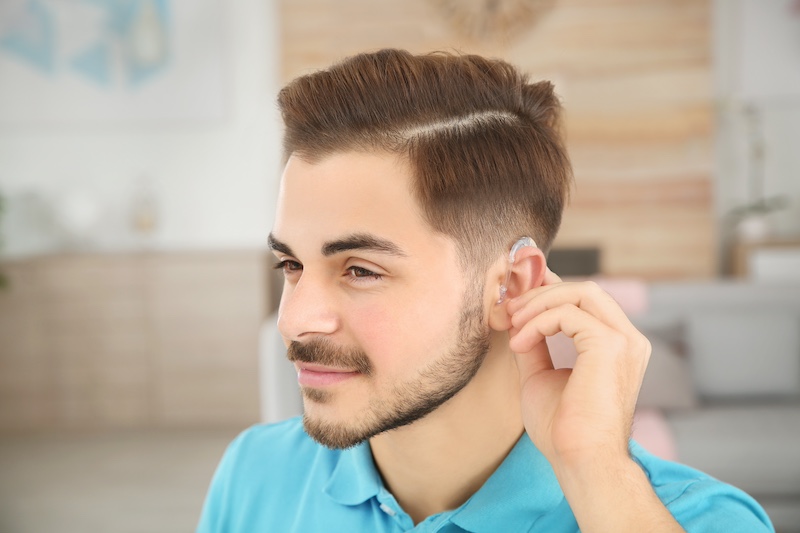
Blog Back Hear Today, Thrive Tomorrow: Why You Should Wear Your Hearing Aids All the Time April 15, 2024 Hearing aids are marvels of modern technology, designed to improve the quality of life for individuals with hearing loss. Yet, despite their benefits, some people may resist wearing their hearing aids consistently. Whether due to discomfort, perceived stigma, or simply forgetting to put them on, not wearing hearing aids regularly can have significant consequences. In this blog article, we’ll explore why wearing your hearing aids all the time is essential for your overall well-being and quality of life. Preserving Cognitive Function:Research has shown a strong link between untreated hearing loss and cognitive decline. When you have difficulty hearing, your brain must work harder to process sounds, often at the expense of cognitive functions like memory and concentration. Wearing hearing aids consistently helps stimulate auditory pathways and can help preserve cognitive function as you age. Maintaining Social Connections:Hearing loss can lead to social isolation and withdrawal from social activities. When you wear your hearing aids consistently, you’re better equipped to engage in conversations and connect with others. By participating fully in social interactions, you can maintain meaningful relationships and enjoy a richer, more fulfilling social life. Improving Safety and Awareness:Hearing plays a crucial role in situational awareness and safety. Whether crossing the street, navigating crowded spaces, or responding to emergency alerts, being able to hear effectively is essential. Wearing your hearing aids all the time ensures that you don’t miss important auditory cues that could impact your safety and well-being. Enhancing Quality of Life:Untreated hearing loss can have a profound impact on your overall quality of life. From diminished enjoyment of activities to feelings of frustration and isolation, the effects of hearing loss extend far beyond just difficulty hearing. Wearing your hearing aids consistently allows you to fully engage in life’s experiences, from enjoying music and conversations to participating in your favorite hobbies and pastimes. Preventing Auditory Deprivation:Auditory deprivation occurs when the auditory system is deprived of stimulation due to untreated hearing loss. Over time, this lack of stimulation can lead to further deterioration of hearing ability. Wearing your hearing aids consistently helps combat auditory deprivation by providing continuous auditory input, thereby preserving your ability to hear and understand speech. Adapting to Amplification:Like any new tool, wearing hearing aids regularly allows you to adapt to their use more effectively. Consistent use helps your brain acclimate to amplified sounds, making the transition smoother and more comfortable over time. By wearing your hearing aids all the time, you can optimize their performance and reap the full benefits they offer. Wearing your hearing aids all the time isn’t just about improving your ability to hear—it’s about enhancing your overall quality of life. From preserving cognitive function and maintaining social connections to improving safety and preventing auditory deprivation, the benefits of consistent hearing aid use are undeniable. Embrace your hearing aids as valuable tools that empower you to fully engage in life’s moments, from everyday conversations to memorable experiences. By wearing your hearing aids all the time, you’re not just hearing better; you’re living better. To learn more about the benefits of wearing your hearing aids all the time and to set up an appointment with our hearing aid specialist, we invite you to contact our office today. Share :
7 Tips to Improve Your Hearing
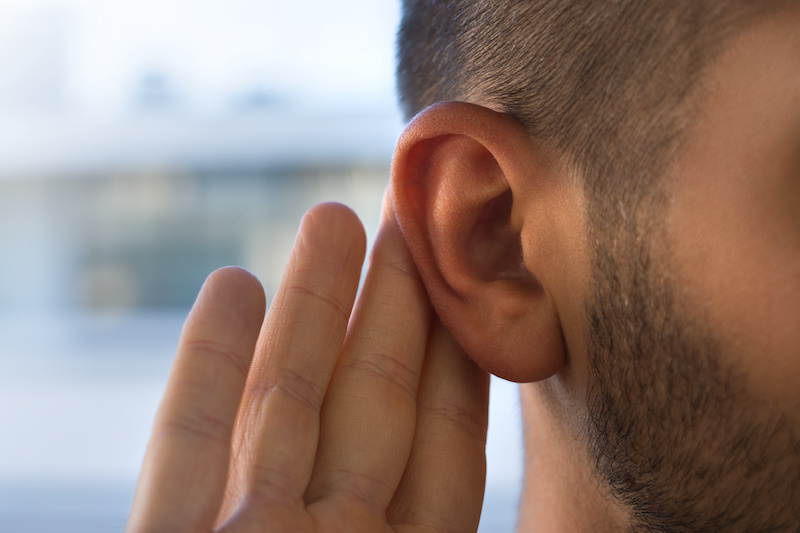
Blog Back 7 Tips to Improve Your Hearing March 25, 2024 Our sense of hearing is a precious gift that connects us to the world around us. From the sweet melody of birdsong to the laughter of loved ones, our ability to hear enriches our experiences. However, exposure to noise pollution, aging, and lifestyle choices can take a toll on our hearing over time. The good news is there are practical steps you can take to preserve and enhance your auditory health. Let’s explore seven tips to improve your hearing and ensure you continue to enjoy the symphony of life. Protect Your Ears from Loud Noise: Exposure to loud noises is a leading cause of hearing loss. Whether it’s the roar of heavy machinery, blaring music at concerts, or the constant use of earphones at high volumes, these activities can damage delicate hair cells in the inner ear. To safeguard your hearing, invest in ear protection when engaging in noisy activities. Earplugs or earmuffs can significantly reduce the risk of hearing damage without compromising your enjoyment of these experiences. Maintain a Healthy Lifestyle: Believe it or not, your overall health plays a crucial role in maintaining optimal hearing. Regular exercise and a balanced diet contribute to improved blood circulation, including the blood supply to your ears. Adequate blood flow is essential for the proper function of the auditory system. Additionally, managing conditions like diabetes and hypertension, which can impact hearing health, is vital for preserving your ability to hear. Stay Hydrated: Hydration is often associated with skin health and overall well-being, but it also plays a role in maintaining healthy hearing. Proper hydration helps ensure that the intricate structures within your ears, including the cochlea, receive sufficient nutrients and oxygen. Drinking an adequate amount of water each day supports optimal bodily function, including the intricate mechanisms responsible for processing sound. Avoid Cotton Swab Mishaps: It’s a common habit to clean our ears with cotton swabs, but this can often do more harm than good. The ears are self-cleaning organs, and inserting cotton swabs into the ear canal can push wax deeper, potentially leading to impaction or injury. Instead, let the ears clean themselves naturally. If you experience excessive earwax or discomfort, consult with a healthcare professional for safe and effective removal. Limit Exposure to Harmful Chemicals: Certain chemicals, including those found in some medications and household products, can contribute to hearing loss. Ototoxic substances have the potential to damage the inner ear or auditory nerve. If you are taking medications that may have ototoxic effects, discuss alternatives with your healthcare provider. Additionally, be mindful of exposure to industrial chemicals and choose hearing-friendly alternatives whenever possible. Get Regular Hearing Check-Ups: Routine check-ups with a hearing specialist are essential for monitoring your hearing health. These professionals can identify early signs of hearing loss and provide guidance on preventive measures. If hearing loss is detected, early intervention can significantly slow its progression and improve your overall quality of life. Regular check-ups are especially important as you age, as hearing abilities naturally decline over time. Practice Mindful Listening: In our fast-paced world, it’s easy to overlook the importance of mindful listening. Taking the time to focus on the sounds around you can help train your brain to process auditory information more effectively. Engage in activities that promote active listening, such as enjoying nature sounds, music, or even practicing meditation. By giving your ears and brain the opportunity to process different frequencies, you can enhance your overall auditory experience.Preserving and improving your hearing is a lifelong journey that involves a combination of protective measures, healthy lifestyle choices, and regular check-ups. By incorporating these tips into your daily routine, you can safeguard your auditory health and continue to revel in the rich tapestry of sounds that make life truly extraordinary. Remember, your hearing is a valuable asset – let’s take the necessary steps to keep it in tune for years to come. We welcome you to contact our office today to learn more about how to improve your hearing and to schedule an appointment with our hearing specialist. Share :